
How Armenia Lost the Fortress Region During the Second Karabakh War
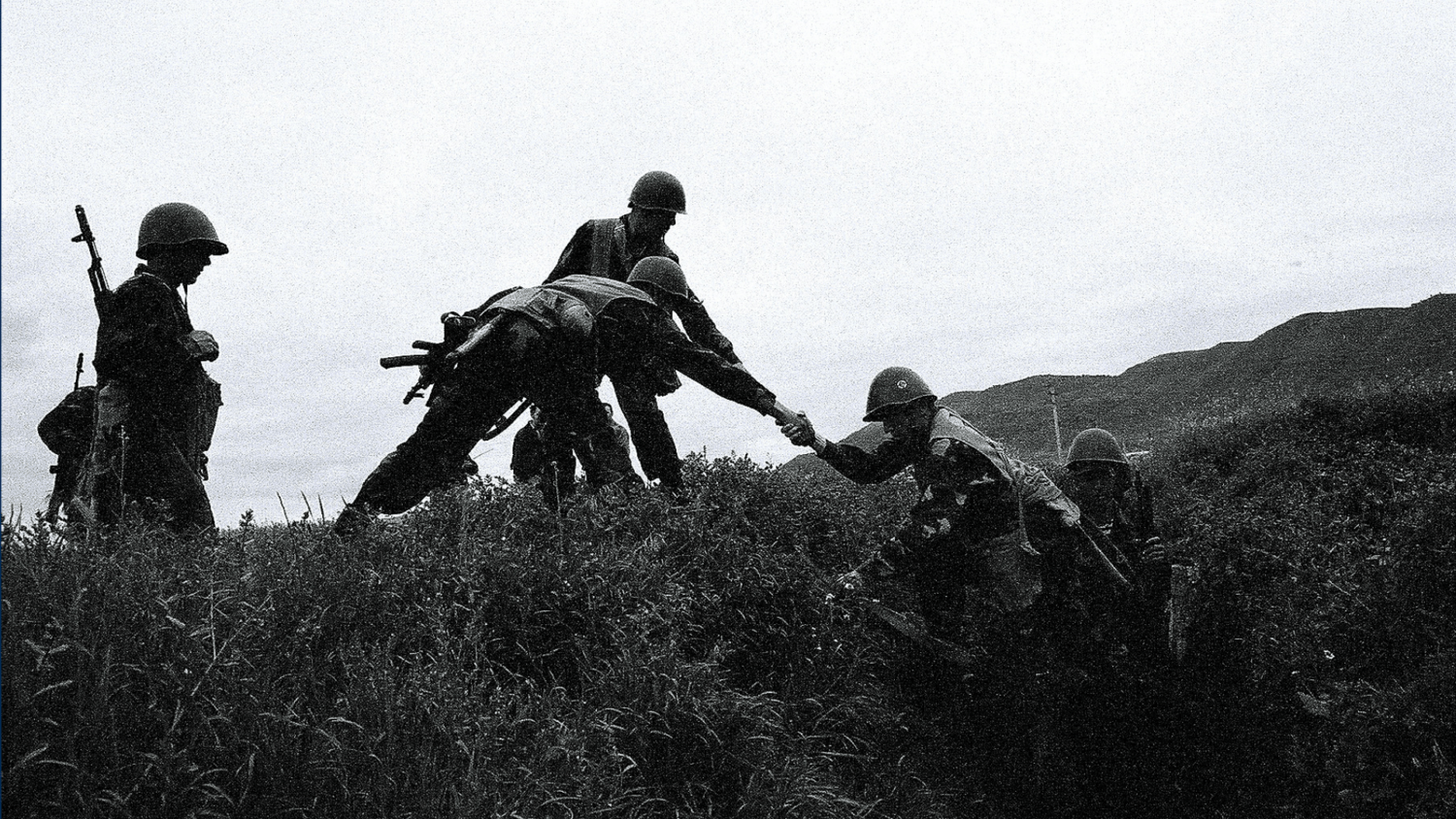
Against the backdrop of the Soviet Union’s collapse, nations formerly occupied by the USSR became independent. However, Soviet authorities purposely drew conflicting borders amongst various ethnic groups to keep them at war with each other instead of the Kremlin.
Armenia and Azerbaijan are no exception to Soviet and later Russian manipulation, as the Karabakh region, historically with an Armenian majority, was transferred to the Azerbaijani SSR under Josef Stalin’s directives in 1924. Already strained under the Ottoman and Russian empires, tensions between Yerevan and Baku intensified after Soviet independence, leading to the First Karabakh War, which Armenia won.
The Second Karabakh War
Azerbaijan launched the Second Karabakh War on September 27th, 2020, catching the Armenian army and Artsakh militias off guard. The attack occurred after several decades of gridlock in negotiations over the final settlement of the Karabakh region, a long-disputed territory between Yerevan and Baku that is internationally recognized as part of Azerbaijan.
The Azerbaijani army encountered formidable Armenian resistance in the initial battles of Jabrayil and Fuzuli, with numerous Azeri armored vehicles incapacitated. In response, Azerbaijan deployed the Israeli-made Harop and Turkish-made Bayraktar TB2 drones to devastating effect.
The strategic terrain of Karabakh shaped each side’s options: Baku was able to consolidate in the Aras Valley, which was flatter than other regions and offered little concealment against drone strikes. Nevertheless, Yerevan’s forces had a crucial opportunity to consolidate solid defenses in the mountainous areas of Karabakh.
The Favorable Terrain of Karabakh
The Armenian forces’ withdrawal to mountainous Karabakh was a tactical move, as the region’s turbulent weather of rain, fog, and cold, dry air could limit Azerbaijani surveillance and drone activities. Additionally, the narrow road network in Karabakh could hinder mechanized operations and force dismounts through narrow passageways.
If defenses had been fortified post-First Karabakh War, the Armenian defenders would have had opportunities to build vast cave networks and conduct ambushes, along with improved command and control. Furthermore, due to the steep mountainsides, the Armenian army and Artsakh militias had observation posts that saw enemy movements, effectively giving time for defenders to react before an assault.
Lack of Command and Control
Armenia’s war effort suffered greatly, as the neglectful general staff and limits on field officers and senior enlisted undermined the advantages of the near-impenetrable mountains.
Armenia had adopted the old Soviet military doctrine, which gave the general staff full oversight over operations and maneuvers, while field officers on the front lines had little say or authority in critical decision-making. The battles for Hadrut and Shushi/Shusha exemplified micromanagement and lack of communication, which Azerbaijan exploited.
Collapse of Forces in the Mountains
Autonomous decision-making was critical for field officers in the battles for Hadrut and Shushi. The TB2 and Harop drones targeted Armenian communications, despite seldom gaining visibility in the mountains. A well-structured defense, supported by these decisions, could have held for a long time given the fortress plateaus around Shusha.
In an attempt to catch the Armenian army and Artsakh militias off guard, Azerbaijani special forces climbed the steep cliffs that surrounded Shushi on three sides. Either due to negligence or complacency, Armenian defenders focused on potential Azerbaijani military breaches along the main road leading into the city, rather than fortifying the cliffsides and manning them.
Azerbaijan’s special forces used enemy miscalculations to catch Armenian defenders off guard. They eliminated several dozen and deployed more reinforcements into the city. For several days, Shusha city saw heavy urban warfare with intense close-quarters combat.
Command issues challenged Armenian officers and NCOs, who struggled to maintain a defense amid micromanagement from Yerevan and Stepanakert. Nevertheless, Armenian defenders gave strong resistance, inflicting heavy casualties on advancing Azerbaijani soldiers.
Despite a valiant effort, the Azerbaijani breach through the cliffsides was too large for the remaining Armenian military and Artsakh militias to stop. The general staff failed to organize a defensive maneuver or asymmetric response. Armenian forces withdrew from Shushi and suffered heavy casualties in the disorganized withdrawal.
Russia would declare a ceasefire. However, Azerbaijan had won the Second Karabakh War. Armenia would have to cede territory that the Azerbaijani military had not forcefully captured. In addition, Azerbaijan gained strategic heights and points for future conflict in September 2023.
Lessons on Leadership, Terrain, and Tactics
Despite devastating consequences for Armenia’s military, economy, and demographics, Yerevan’s costly losses and at times unorganized defenses nonetheless offered opportunities that could have put Armenia and the Nagorno-Karabakh militias in a better position against Azerbaijan.
Armenia had consolidated control over the Karabakh region after the first war ended in May 1994. With Azerbaijan initiating the second war in 2020, Armenia had twenty-six years to fortify defenses and forward command posts.
The defensive shortcomings in Karabakh proved critical: though Yerevan had heavily mined the region, the absence of trenches, ditches, barbed wire, and other fortifications was notable. Karabakh’s rugged terrain resembled other fortress regions in Afghanistan, Iran, Ethiopia
Fragile unit cohesion undermined Armenia’s military effectiveness, leaving openings that Azerbaijan could exploit. According to a U.S. State Department report, Armenian conscripts suffered beatings, degradation, and exploitation. This hazing culture eroded trust among NCOs, officers, and fellow unit members, weakening cohesion at critical moments, such as during the 2020 war.
The challenge of maintaining morale in the Armenian military has been compounded by hazing culture and Azerbaijan’s deliberate dissemination of harrowing drone strike footage across social media to demoralize Yerevan’s forces. In response, building a strong, robust NCO corps capable of motivating conscripts and ensuring unit cohesion will be crucial for Armenia’s future military effectiveness.
The Soviet doctrine, which Armenia inherited, also played a critical role in battlefield woes. Whereas Azerbaijan has a population of 10 million, Armenia has only 1/3 of this, and its population is aging. During the war, Azerbaijan would inflict heavy losses on Armenia in the more open terrain of Karabakh, and those losses were irrecoverable for the Armenian army.
The Soviet doctrine fosters both excessive micromanagement and unwise ‘stand and hold’ defenses around unsustainable positions. Rather than withdraw to defensible ground, the Armenian command chose to hold Jabrayil and Fuzuli—areas lacking cover and concealment—which predictably exposed troops and equipment to frequent drone strikes.
In conclusion, Armenia and the Artsakh militias had the opportunity to turn geography into a fortress, much like the Houthis in Yemen, the Taliban in Afghanistan, the Ukrainian army in the Donbas region, or the ROC military’s fallback contingency in Taiwan. In such a scenario, heavy losses after several days or weeks of fighting could have forced Azerbaijan to disengage from armed conflict, thereby bringing both parties back to stronger negotiations. Moreover, the absence of competent command and control and the lack of autonomy for field officers sealed the Armenian army’s fate. With communications targeted, orders could not be properly placed to frontline units, and with an already demoralized army full of conscripts and field officers with little authority, Azerbaijan easily exploited the discontent during the Second Karabakh War.