
How California Firefighters Are Seeking Justice for Toxic Foam Exposure
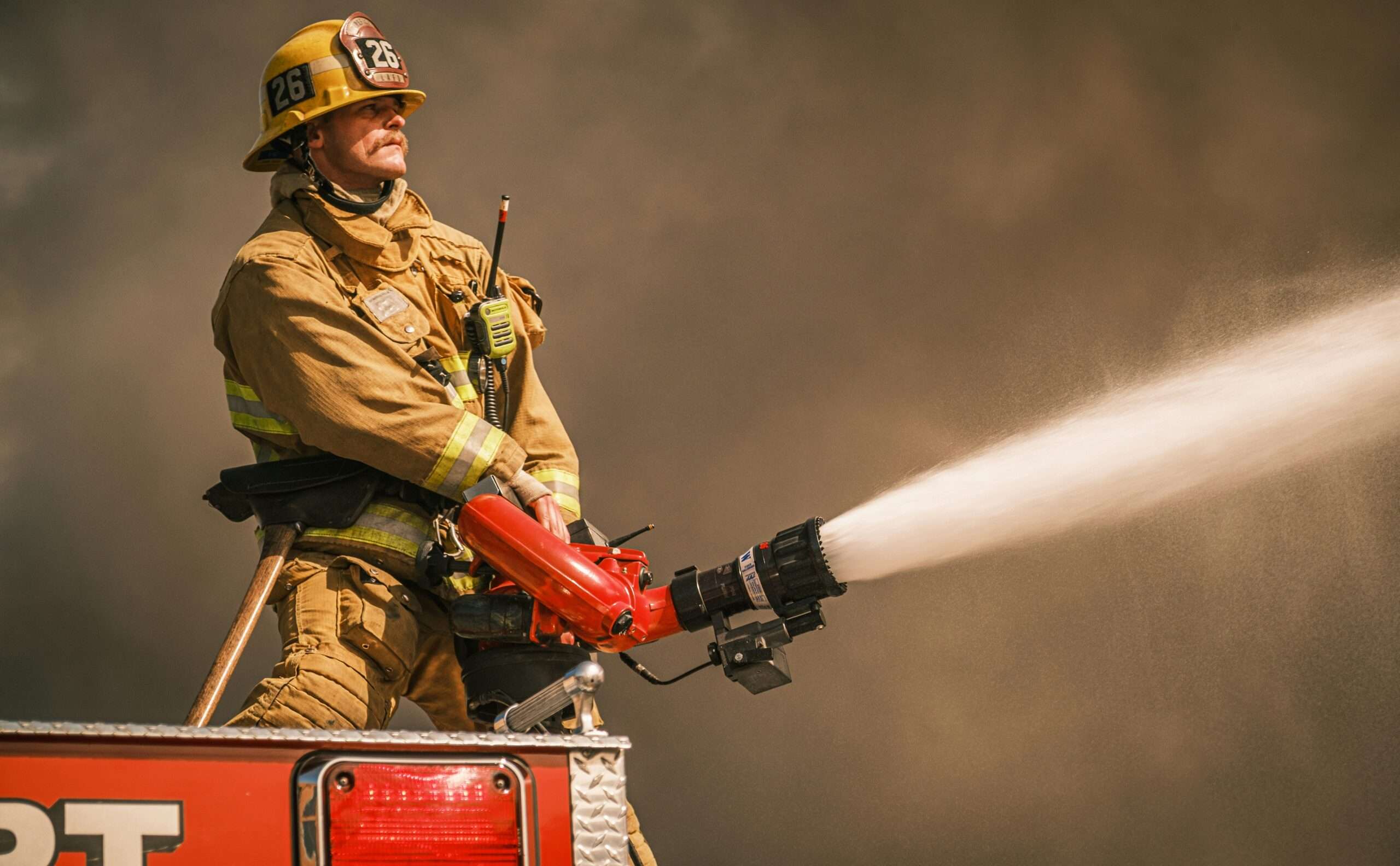
California firefighters train for the kind of emergencies most people only see on the evening news. But in stations across the state, another worry has been gaining traction, one that has nothing to do with wind shifts or water supply. It is about long-term exposure to chemicals that were once treated as standard equipment.
One product sits at the center of the discussion: aqueous film-forming foam, commonly called AFFF. It was designed to quickly put out fuel-based fires, especially in high-risk settings such as airports, refineries, and industrial sites. For years, it was used in training and real responses. Now, many firefighters say the routine handling of that foam may have come with a lasting cost.
What AFFF Is and Why It Became a Go-To Tool
AFFF was designed for a specific job: stopping flammable liquid fires by creating a thin film that separates fuel from oxygen while cooling the surface. In practice, it can quickly knock down a dangerous fire, which is why it became widely adopted for aviation incidents and industrial hazards.
Over time, the foam’s use expanded beyond rare catastrophes. It was baked into training programs, stored in bulk, and deployed during drills that repeated the same techniques week after week. That pattern is one reason firefighters describe exposure as cumulative. Foam could get on turnout gear and boots, splatter onto skin, and end up in runoff that soaked into training grounds.
Another key piece is chemistry. Many AFFF formulations contained PFAS, a class of highly persistent compounds sometimes called “forever chemicals” because they break down very slowly. Once PFAS enter soil and water, they can spread. Once they enter the body, they may remain for years.
Why PFAS Became a Health and Legal Flashpoint
Firefighters already face elevated health risks from smoke, soot, and combustion byproducts. The PFAS conversation adds a separate concern because exposure can occur outside the heat of an active structure fire, including during training and cleanup.
Researchers and regulators have focused on PFAS and their potential health effects due to their persistence and the growing body of evidence. Public attention has also increased as more communities have learned about PFAS in groundwater near airports, military facilities, and industrial sites.
Why California Firefighters Are Filing Lawsuits
The lawsuits tied to AFFF generally fall under product liability and failure-to-warn theories. In plain terms, plaintiffs argue that manufacturers should have warned firefighters and departments about PFAS-related risks, should have offered safer alternatives sooner, or should not have marketed certain formulations as broadly as they did.
California’s role in this litigation trend makes sense. The state has a large firefighting workforce, extensive aviation infrastructure, and numerous industrial facilities where AFFF has historically played a role. It also has a legal environment that frequently hosts complex civil litigation, including cases involving environmental contamination and consumer safety.
For firefighters, the legal question often comes down to responsibility. If a product was used widely for decades, what information did manufacturers have about long-term exposure, and what did they share with the people using it?
How Mass Tort Cases Work for Individual Firefighters
AFFF litigation is often described as a “mass tort,” a term that can sound abstract until translated into everyday reality. A mass tort does not erase individual stories. Each firefighter’s claim still turns on personal facts such as work history, exposure circumstances, diagnosis, treatment costs, and the impact on daily life.
Where mass tort structure changes things is efficiency and evidence. When many plaintiffs raise similar allegations about the same products, courts can coordinate parts of the process. Discovery, expert testimony, and corporate documents may be developed collaboratively rather than recreated from scratch in every case.
That structure can matter in cases involving technical chemistry, decades of product development, and corporate communications. Plaintiffs often say the documents are as important as any single medical record because they can show what was known internally and when.
What Firefighters Can Do Now If They Are Concerned
For firefighters who have questions about exposure history or potential legal options, the practical first step is organization. Medical records, diagnosis timelines, and treatment documentation are central. So are service records and any notes that can help establish where and how AFFF was used, including training environments.
Because legal deadlines can apply, timing may be important. Many families only start exploring next steps after a diagnosis, when life is already crowded with appointments, paperwork, and stress. Having a clear record can make later conversations more productive, whether they are medical, administrative, or legal.
As awareness has grown, so has interest in legal accountability. Some firefighters and their families are seeking more information about potential claims related to AFFF exposure, including options such as an AFFF firefighter cancer lawsuit consultation that explains how these cases are being evaluated and what documentation may matter.
Accountability, Community Impact, and What Comes Next
There is a human side to this issue that does not fit neatly into court filings. Firefighters are public servants, and California communities often know their first responders by name, especially after major fire seasons. The Courier has highlighted local connections in its community coverage, such as its profile of an Armenian firefighter helping save Altadena homes, a reminder that these are neighbors as much as professionals.
The AFFF lawsuits reflect a familiar cycle in public health: a tool solves an urgent problem, widespread use follows, and years later, the long-term consequences come into sharper focus. Whether the courts ultimately deliver compensation, disclosure, or both, the broader pressure has already pushed institutions to take PFAS exposure more seriously.
For California firefighters and their families, the immediate concerns are often concrete, including medical bills, missed work, and long-term treatment. For the public, the stakes include transparency and safer standards, so that protecting communities does not quietly endanger the people doing the protecting.