
Travel Shockwave As Chechen Defector Lands In Armenia After Airport Limbo Sparks Global Safety Alarm And Tourism Security Debate
TTW
A dramatic travel episode unfolding between Kazakhstan and Armenia has thrust the South Caucasus into the spotlight, as Zelimkhan Murtazov, a Chechen national, finally reached Yerevan after spending months trapped inside an airport transit zone. His journey has triggered intense debate over travel safety, cross-border movement, and the hidden risks faced by vulnerable travelers in politically sensitive regions. The case highlights how even routine travel routes can become life-altering corridors when legal status, documentation, and geopolitical tensions intersect. Murtazov’s arrival in Yerevan marks the end of one phase of uncertainty, yet opens another filled with unanswered questions about safety, legal protection, and the broader implications for tourism in the region.
Airport Transit Zone Becomes Unexpected Travel Prison
The story began when Murtazov arrived in Astana in December and found himself unable to move forward or return. With his asylum request reportedly not processed and his passport unavailable, he became effectively stranded in a legal gray zone. What is typically a short stopover for travelers turned into a four-month confinement inside an airport transit area, underscoring the fragility of international travel systems when documentation issues arise. This unusual situation has raised concerns among travel observers about how airports can unintentionally become long-term holding spaces for individuals without clear legal pathways. The eventual opening of a direct flight route between Astana and Yerevan became the turning point, transforming a stagnant travel crisis into a narrow escape opportunity.
Direct Flight Opens A Rare Travel Escape Window
The launch of a direct air connection between Kazakhstan and Armenia proved decisive in resolving the impasse. Without this route, Murtazov had limited options, as indirect travel posed a high risk of detention or forced return to Russia. The new flight corridor effectively acted as a humanitarian travel lifeline, enabling him to board a plane using available identification and leave the transit zone legally. This development demonstrates how aviation connectivity can influence not only tourism flows but also critical humanitarian outcomes. Travel experts note that route availability can shape real-world safety outcomes, especially in politically complex regions where indirect travel may expose individuals to heightened risks.
Arrival In Armenia Brings Relief But Not Certainty
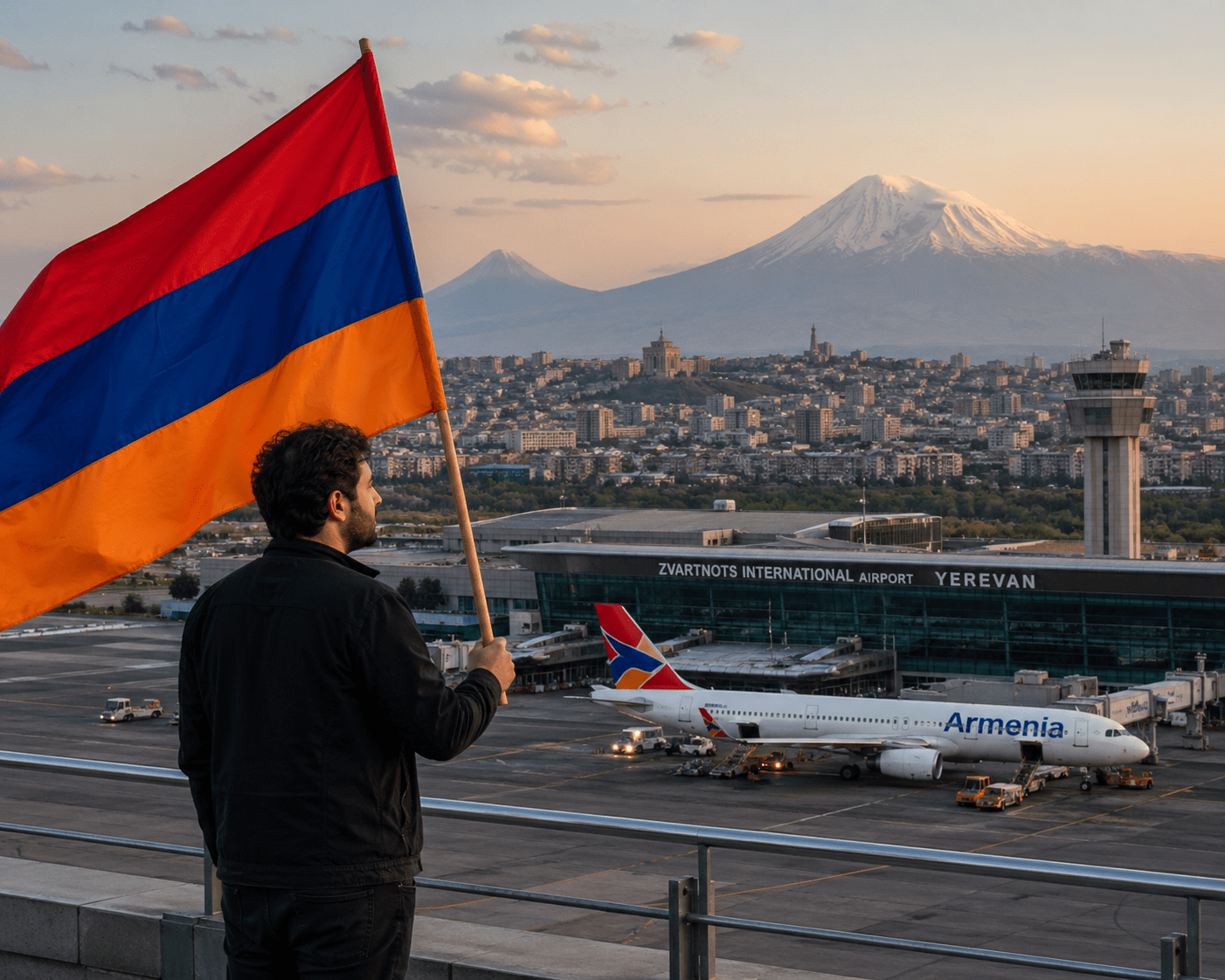
Upon landing in Yerevan, Murtazov described a sense of relief after months of confinement, finally able to step outside, move freely, and experience normal surroundings. Armenian authorities reportedly conducted routine questioning but raised no legal objections to his entry. From a tourism perspective, this reflects Armenia’s reputation as an accessible destination with relatively open entry procedures. However, the absence of formal security guarantees has cast a shadow over this initial sense of safety. While the country has positioned itself as a welcoming travel destination in the South Caucasus, this case illustrates that legal entry does not always translate into long-term security for all travelers.