‘Western Azerbaijan’ narrative risks fueling territorial claims against Armenia
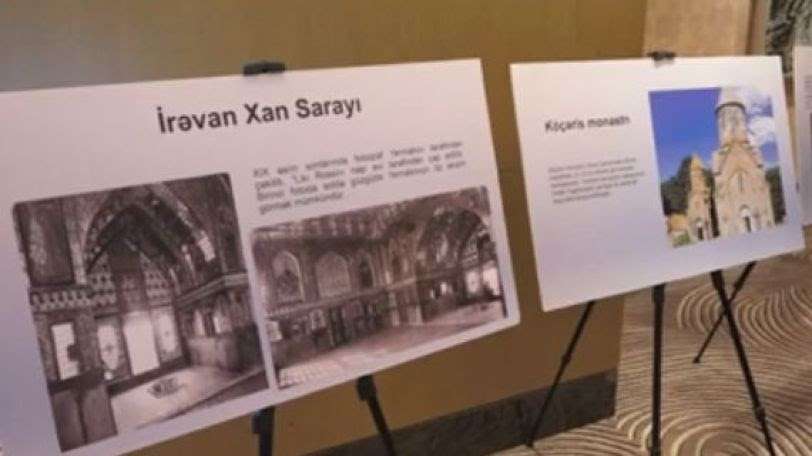
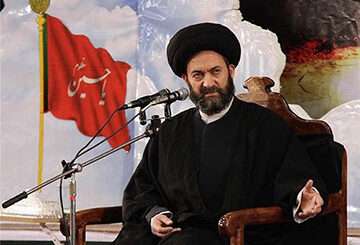
The organization, which documents and monitors the cultural heritage of Artsakh (Nagorno-Karabakh), analyzed remarks delivered by Turkish lawmaker Shamil Ayrim during the First International Conference titled “Return to Western Azerbaijan: A New Stage of the National Idea.” The event was jointly organized by Baku State University and the Western Azerbaijan Community.
In its assessment on Thursday, the Monument Watch described Ayrim’s speech as another example of efforts to politically promote the “Western Azerbaijan” narrative, arguing that historical, cultural and humanitarian themes were intertwined with territorial claims.
Although the speech repeatedly employed terms such as “peace,” “human rights,” “dignified return” and “reconciliation,” the Monument Watch said the overall message was built around the idea that a significant portion of the Armenian territory should be viewed as “Western Azerbaijan.” According to the organization, rhetoric surrounding a “right of return” was presented as part of a broader political project.
Ayrim argued that demands for a return to “Western Azerbaijan” are an important precondition for peace and are not directed against Armenia. The Monument Watch, however, said such assertions are contradictory when linked to calls for the mass return of populations to the territory of a sovereign state.
The organization also noted that while the speech emphasized the need to restore “historical justice,” it made no reference to the displacement of the Armenian population from Artsakh.
According to the Monument Watch, the central ideological component of the speech was the concept of “return,” which was framed as a human rights-based initiative. The group argued that the broader vocabulary surrounding the concept, including references to “historical lands,” “historical justice,” “returning to the homeland” and “restoring the memory of Yerevan”, suggests objectives extending beyond human rights concerns.
“These concepts create a discourse of historical entitlement that may be perceived as a system of claims against the territory of the Republic of Armenia,” the organization said.
Monument Watch concluded that both the conference itself and Ayrim’s remarks represent an attempt to secure broader international legitimacy for the idea of “Western Azerbaijan”. The group said the narrative relies on a selective interpretation of historical events that highlights the losses of one side while excluding the experiences of the other.