Israel’s Recognition of the Armenian Genocide Isn’t Enough
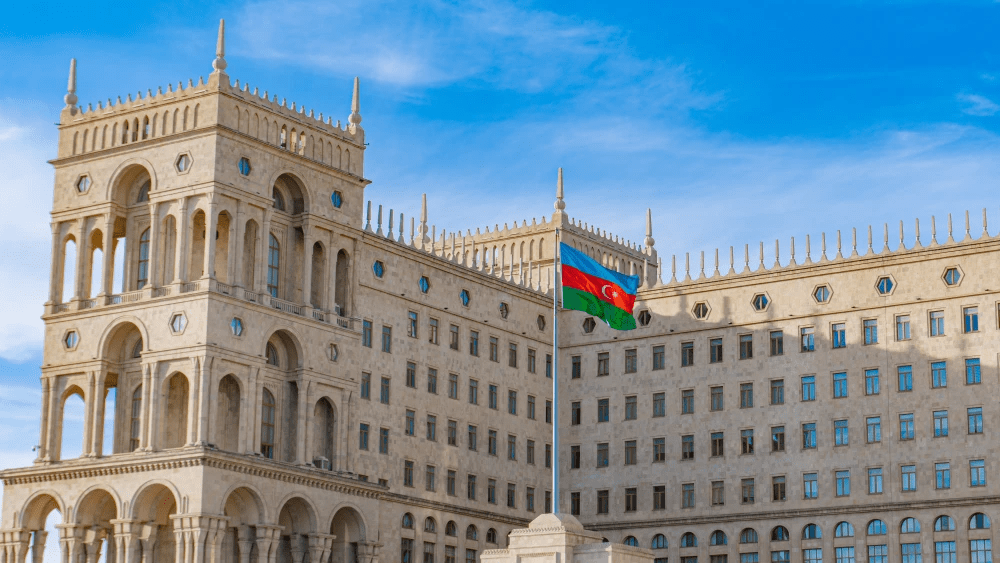
The Government House of Baku in Azerbaijan.
Shutterstock
Israel’s Recognition of the Armenian Genocide Isn’t Enough
Israel Should Use Its Position to Moderate Azerbaijani Racism and Incitement Against Armenians
On June 28, 2026, Israel formally recognized the Armenian Genocide. Armenians should welcome the recognition, even if it is rooted more in diplomatic cynicism than principle. After all, there is no doubt except in extreme denialist circles about the scale, scope, and intent of the murders of the Armenians and, concurrently, the Pontic Greeks.
Israel’s motives in its recognition may not be fully principled, but the result—acknowledging historical fact—Armenians should nonetheless welcome.
Israelis may object to such an interpretation but, if so, they should go further. Realpolitik defines Israel’s relationship with Azerbaijan. Israelis insist that their investment in Azerbaijan paid huge intelligence and military dividends during the recent Iran war.
Still, the Israeli tendency to advocate for Azerbaijan with the same uncritical endorsement that U.S. Ambassador Tom Barrack advocates for Turkey can backfire. To rationalize Azerbaijani ethnic cleansing of Armenians and the destruction of Armenian churches, monasteries, and graveyards is to give the diplomatic and antisemitic lynch mob that wants to see Israel’s destruction or denies Jewish heritage in the Holy Land a precedent that would enable ignoring Palestinian bulldozing of Jewish cites and archaeological ruins in Jerusalem and the West Bank. While the late Ambassador Dore Gold long spoke of the need for defensible borders, Israel’s refusal to grant Armenia the same principle undermines Israel in future diplomatic negotiations.
Israel’s tight relations with Azerbaijan can be valuable if Israel uses its position to moderate Azerbaijani racism and incitement against Armenians. There is no strategic or logical reason why Azerbaijan should have destroyed the ancient cemetery at Julfa, for example. Israel should use its access to Azerbaijani leader Ilham Aliyev to counsel against the repetition of such destruction, especially as Azerbaijani forces destroy churches and graveyards in Nagorno-Karabakh.
Diplomatic ties and partnerships should not require moral compromise or acquiescence to an ideology that amounts to continued cultural genocide. Instead, Israel should use its good offices to speak truth to Aliyev and advocate for an end to Azerbaijani policies that do nothing but undermine Azerbaijan’s reputation on the world stage. Israel should relieve Azerbaijan of the notion that its current strategy of transforming think tankers and academics into lobbyists, if not court jesters, will suffice to stop Azerbaijan’s continued reputational decline.