Why I Play Armenian Music for Non-Armenian Audiences
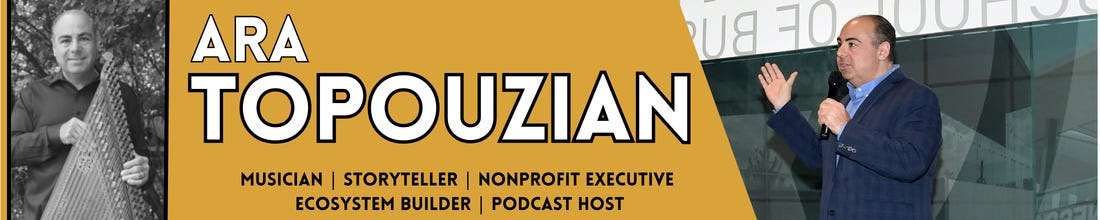
One of the questions I am asked most often is, “Who do you perform for?” People are sometimes surprised when I tell them that many of my most meaningful performances have been for audiences with little or no connection to being Armenian. In fact, I believe performing Armenian music for non-Armenian audiences is one of the most important things we can do to preserve our culture. Too often, we fall into the mindset that Armenian music is only for Armenians. While it is certainly a treasured and important part of our identity, it is also part of the world’s cultural heritage. Music has the remarkable ability to cross borders, languages, religions, and generations. It invites curiosity where words sometimes cannot. Some of the most rewarding moments I have experienced have not come from playing for people who already know the melodies. They have come from those hearing them for the very first time. After a performance, I often receive thoughtful questions: “What is that instrument?” “Is there sheet music for these ancient songs?” “Why does it sound both joyful and sorrowful?” “Can you tell me more about Armenian history?”
Each year, I have the privilege of performing Armenian music and sharing the rich history and culture of the Armenian people with participants in Leadership Oakland. These conversations remind me that every performance is more than a concert. It is an opportunity to build understanding, challenge assumptions, and create a lasting connection with a culture many people have never encountered. Recently, during my Smithsonian Institute fellowship I had the opportunity to present a brief demonstration of the kanun and share a small piece of Armenian history with more than thirty fellows from across the United States. Most had never even seen the instrument before. Many had never heard Armenian music. Yet the response was immediate. They leaned in, asked sincere questions, and wanted to understand the stories carried within the music. That experience reinforced something I have believed for years: preservation does not happen only within a community. It also happens when others come to appreciate, respect, and carry a piece of that culture with them. Perhaps one person leaves a presentation with a new appreciation for Armenia/Armenian people. Perhaps they tell a friend about the beautiful instrument they heard. Perhaps they attend another Armenian performance or read about our history. Culture survives not only because those within it preserve it, but because others choose to value it as well. As a musician, I certainly enjoy performing for Armenian audiences. There is a shared understanding that requires few explanations. But there is something equally powerful about introducing our music to someone hearing it for the very first time. In those moments, I am not simply performing. I am serving as a cultural ambassador. That is why I seek opportunities to perform in schools, museums, libraries, leadership programs, universities, and community organizations—not just Armenian festivals or cultural events. Every new audience represents another opportunity for Armenian music to be heard, understood, and remembered. Music has carried the Armenian story across centuries of hardship, migration, and resilience. Today, it continues that journey every time someone listens with an open heart. And perhaps that is how cultures truly endure—not by keeping them to ourselves, but by sharing them generously with the world. |