The History of the Armenian Monastery in Kozan is Reflected in the Archives.
Historian Cezmi Yurtsever recounted the history of the historical Armenian Monastery in Kozan based on Ottoman archival documents.
HyeTert
The Kozan district of Adana stands out with its historical structures that have hosted different civilizations and religious communities in the past. Historian Cezmi Yurtsever brought to light a document from the Ottoman archives dating back to the 1810s, sharing information about the establishment process and historical background of the Armenian monastery in Sis, the former name of Kozan.
According to information provided by Yurtsever, it is stated that a large church was built without permission at the foot of the castle in the city of Sis during the Ottoman period, and that the matter was brought to the attention of Sultan Mahmud II, the reigning sultan at the time, by the Grand Vizier.
 Document from the 1810s in the Ottoman Archives
According to an archival document shared by historian Cezmi Yurtsever, the issue of a large church being built without permission at the foot of the castle in Sis was brought to the attention of the Ottoman administration.
In the petition submitted by the Grand Vizier to Sultan Mahmud II, the question was raised about what action should be taken regarding the building in question. It is stated that the Sultan, in his own handwriting, wrote on the document, “Place it under surveillance.”
 Sis City Became One of the Armenian Religious Centers
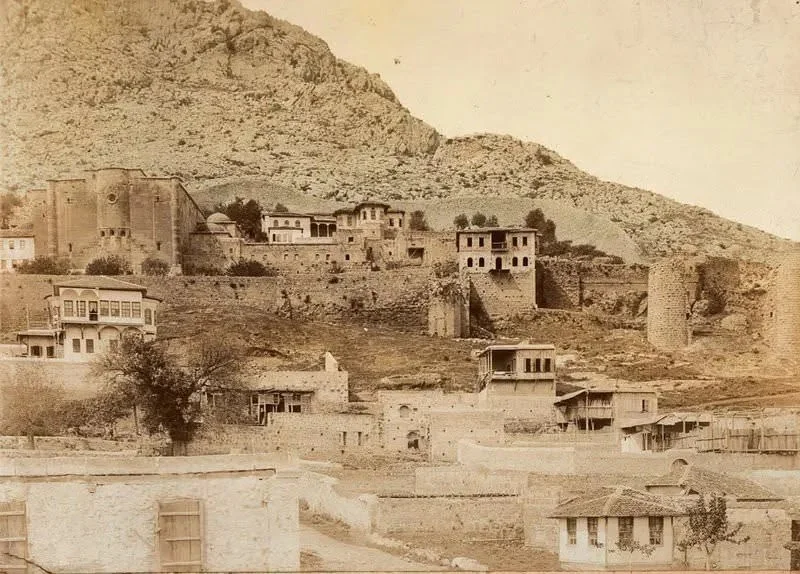
According to Yurtsever’s account, in later years a large Armenian monastery was built within the walls, at the foot of what is now Kozan Castle.
Over time, Sis became one of the Armenian religious centers in Southern Anatolia. According to the historian, Sis, which held a significant religious position in a wide region stretching from Konya to Diyarbakır, hosted Muron ceremonies every spring.
These religious ceremonies associated with Pelesenk oil were among the traditions that revealed Sis’s importance in Armenian religious and cultural life.
Only ruins remain of the monastery today.
Historian Cezmi Yurtsever stated that the Armenian monastery, which once served as a major religious structure, has not been able to preserve its former glory today.
The statement noted that visitors to Kozan are unable to see the monastery’s complete structure as it stands today, and can only encounter remnants of the foundation walls within the historical site.
 Kozan’s Historical Heritage is Back on the Agenda
Cezmi Yurtsever shared information shedding light on Kozan’s past through Ottoman archival documents and historical photographs, and specifically asked the people of Kozan and those interested in the region’s history to express their views on the history of the Armenian monastery.
The Sis Armenian Monastery, an important part of Kozan’s multifaceted historical past, stands out as one of the historical structures awaiting research within the district’s cultural heritage, thanks to its archival documents and surviving remains.