Armenia Builds World’s Tallest Statue of Jesus atop Mount Hatis
Armenia targets international religious tourism with the world’s tallest statue of Jesus
The initiative is being promoted by Armenian businessman and politician Gagik Tsarukyan, who has defended the construction as a way to strengthen the country’s religious identity and position Armenia as a key destination for spiritual tourism. This is no small ambition: Armenia was the first nation to officially adopt Christianity as its state religion, in 301 A.D., a fact that remains a central pillar of its culture and international profile.
From a tourism standpoint, the statue is expected to become a pilgrimage site and a major attraction for foreign visitors, following the model of the great religious shrines of Latin America and Europe. Local authorities and project backers believe the initiative could boost the regional economy, create jobs, and expand the country’s cultural offerings.
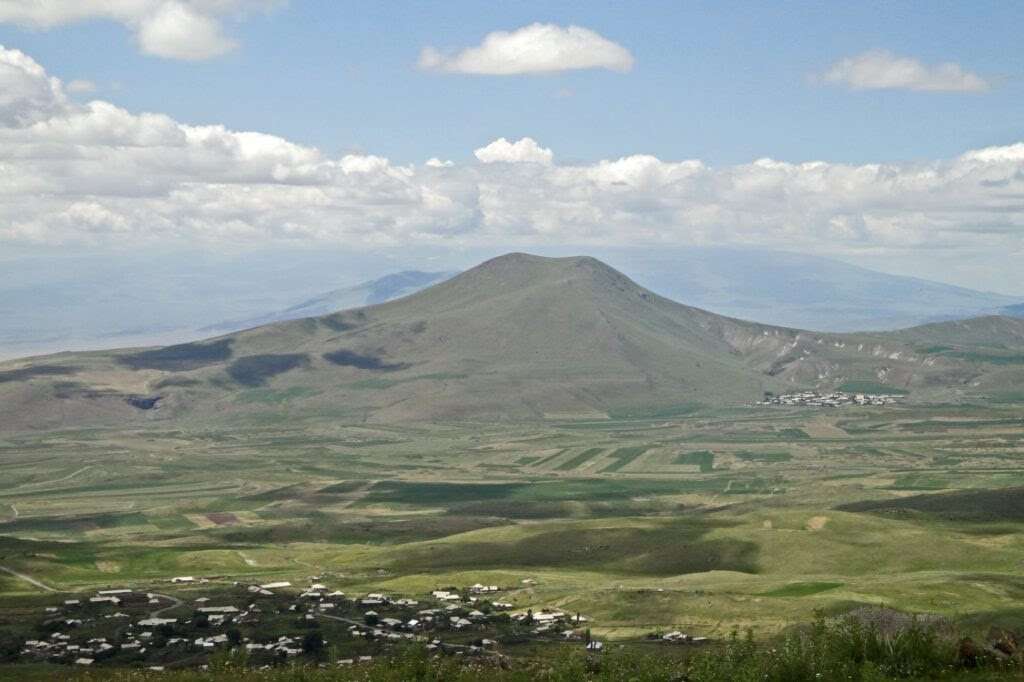
The choice of Mount Hatis is no coincidence. In addition to its proximity to Yerevan, the site offers sweeping panoramic views that will allow the figure to be seen from several kilometers away, enhancing its visual and symbolic impact.
Environmental criticism
However, the project has not been without controversy. While religious and nationalist groups celebrate it as a sign of faith and Armenian pride, others question the wisdom of investing substantial resources in a monumental work at a time of economic and social challenges.
One of the most sensitive aspects of the debate is its environmental impact. Mount Hatis, beyond being a dormant volcano, is a natural area of ecological value. Environmental organizations and some academics have warned about the risks the construction could pose to the local ecosystem, from altering the landscape to potentially affecting local flora and fauna.
There are also critical voices calling for priority to be given to basic infrastructure, education, and healthcare projects rather than to high-cost initiatives with primarily symbolic goals. Even so, the project’s promoters insist that the statue will not only have religious significance, but will also serve as a long-term economic and cultural driver for the country.