Egyptian media: Türkiye is replacing France and the US in the Sahel.
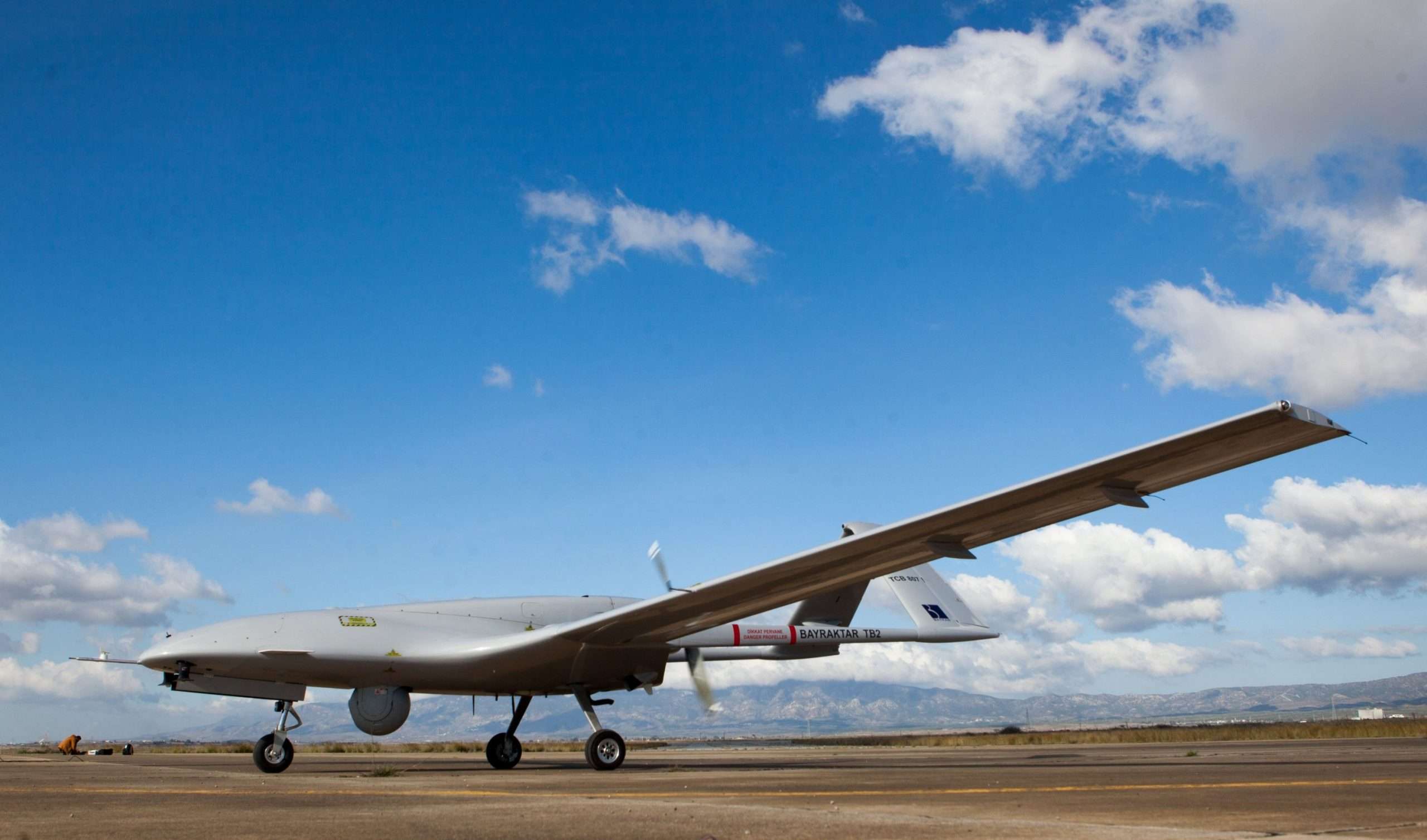
According to Ahram, Türkiye’s military influence in these countries is based on a comprehensive strategy encompassing elements such as UAV systems, armored vehicles, command and control infrastructure, training programs, and on-site maintenance/logistical support. The analysis highlights the role of leading Turkish defense industry companies like Baykar, Aselsan, and Otokar, stating that Ankara offers not just products, but a complete solution package.
This strategic transformation was concretely demonstrated at the BAMEX 2025 defense exhibition, hosted by Mali in November 2025. Turkey exhibited extensively at the fair with approximately 30 defense industry companies. Not only were static presentations made, but field tests were also conducted. Ahram News noted that Türkiye held a leading position at the fair, almost alone, and directly demonstrated its security vision for the region on the ground.

The report highlighted the suitability and operational success of Turkish-made unmanned aerial vehicles (UAVs) for the geographical conditions of the Sahel. It noted that Akıncı UAVs, with their payload capacity of up to 1,500 kg and flight time exceeding 25 hours, play an effective role in surveillance and precision strike missions. These vehicles were reportedly actively used against rebel groups in Mali, for border security in Niger, in northern and eastern operations in Burkina Faso, and in bases vacated by French aircraft in Chad.
The news report also covered Türkiye’s support for its land forces. It noted that armored vehicles such as the Kirpi, Ejder Yalçın, and Hızır provide high protection, particularly against mines and improvised explosive devices, and offer a more mobile and economical alternative to heavy systems of Western origin.
Ahram News reported that Türkiye’s military support was not limited to equipment but also included training programs for non-commissioned officers, special forces, and border security personnel, providing expertise in areas such as asymmetric warfare, intelligence integration, counter-terrorism, and crisis management. For example, special forces in Mali, gendarmerie units in Burkina Faso, border guards in Niger, and desert surveillance units in Chad have benefited from these Turkish programs.
The report also pointed out that Türkiye is establishing field maintenance centers, logistics support bases, and technical service infrastructure by following a sustainability-focused model. Examples cited included UAV maintenance centers in Mali, operational points on the Libyan border in Niger, mobile maintenance lines established for the continuity of armored vehicles in Burkina Faso, and the foundations of new logistics networks in Chad.
According to Ahram News, Türkiye’s influence in the Sahel is expanding not only at the state level but also through private security companies. The analysis also included information that organizations like SADAT have provided training to some security units in Mali and Niger, and that Syrian mercenaries have been used to protect some sensitive facilities since 2023.
Ahram stated that Türkiye’s objectives for the region go beyond short-term operational successes and are intertwined with long-term interests such as new markets for the defense industry, strategic depth, and raw material security. Access to resources such as gold and lithium in Mali, uranium in Niger, and gold in Burkina Faso was cited as critical to Türkiye’s plans in the energy and advanced technology sectors.