On the Frontline of a Trump Peace Deal, a Lone Woman Sees Hope
By Martina Sanna, Newsweek
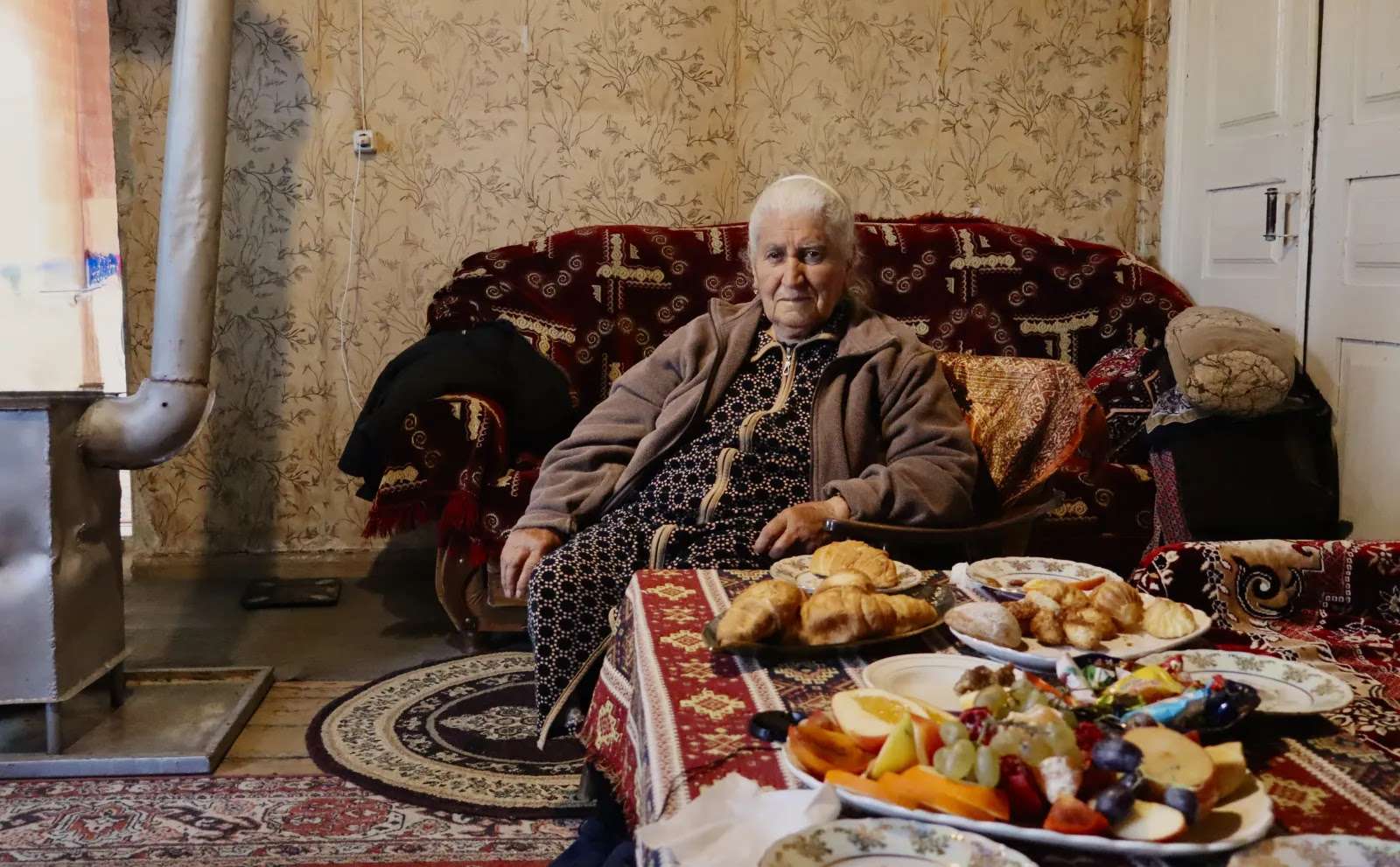
For 15 years, Vahanduckt Melkonyan, 89, has been the only resident of her village, trapped in a geopolitical cauldron between the borders of unfriendly neighbors.
For once, she does have reason to hope. Kharkov’s isolation could be coming to an end as a peace agreement brokered under the auspices of U.S. President Donald Trump between Armenia and Azerbaijan also holds out the promise of normalizing Armenia’s relationship with Turkey and reopening a border than has been closed for three decades.

“That’s great for the prosperity of the people of Armenia, but it is also important for enduring peace, because when you create this interconnected economies, energy sectors, and so forth, it means that this region can have an enduring peace.”
While Armenia has been at war with Azerbaijan over the region of Nagorno-Karabakh since the collapse of the Soviet Union, its relationship with Turkey was also historically bad—still tainted by the 1915 genocide of Armenians by the Ottoman Empire. Turkey does not recognize the killings as a genocide. Like Turkey, Azerbaijan is a largely Muslim Turkic country. Armenia was the world’s first Christian nation.
One of those early settlers was Melkonyan’s mother-in-law. Blind from age, she entrusted to Melkonyan with a duty: “Light your tonir oven even if you have no flour,” she urged, “let the smoke rise — let the Turks know there are still people living in this village.”
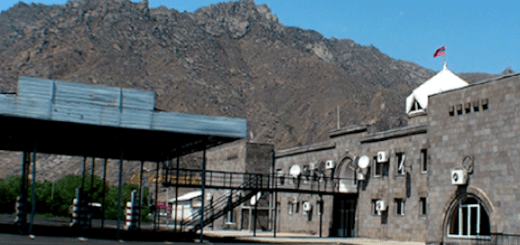
Those words became a vow. Over decades, as Soviet rule collapsed and families drifted away, Kharkov emptied. Russian troops remained at the border with Turkey, keeping Moscow’s strategic foothold while allowing Armenia to focus on what had now become a war with fellow former Soviet republic Azerbaijan.
By the late 1990s only Melkonyan and her husband remained. After he died in 2010, her children urged her to leave, to join them in the city. She always refused.

Officials on both sides of the Armenian-Turkish border now speak optimistically about normalization under the auspices of the broader Trump agreement for the region.
President of Azerbaijan Ilham Aliyev and Prime Minister of Armenia Nikol Pashinyan agreed to maintain the momentum towards peace at a meeting in Abu Dhabi earlier this month, including with the expansion of trade.
“I believe that with the entry into force of the agreement, on which both sides have reached a consensus regarding its purpose, scope, wording, and spirit, a brand-new chapter will be opened in the future of the Caucasus,” he was quoted as saying this month by the Turkish news agency.
Still, there are opponents of normalization between Armenia and Turkey.
The politically influential Armenian diaspora counts 7 million people—more than twice as many as live in Armenia. Diaspora ancestors were mostly survivors of the genocide and the group have historically been against any form of normalization.
But Vance’s visit has again reinforced the Trump administration’s commitment to making the agreement a success. It is not only because it is one of the peace deals for which the president takes credit, but also because of its importance for U.S. geopolitical interests.
“It’s not something that would benefit U.S. companies immensely,” said Professor Vahram Ter-Matevosyan of the American University of Armenia. “It’s about having a physical presence in the South Caucasus, which was long seen as the backyard of Russia.”