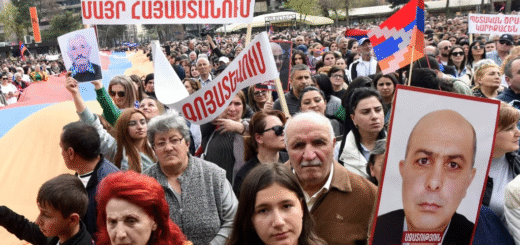
Pashinyan Plays Backgammon While War Rages on Next Door
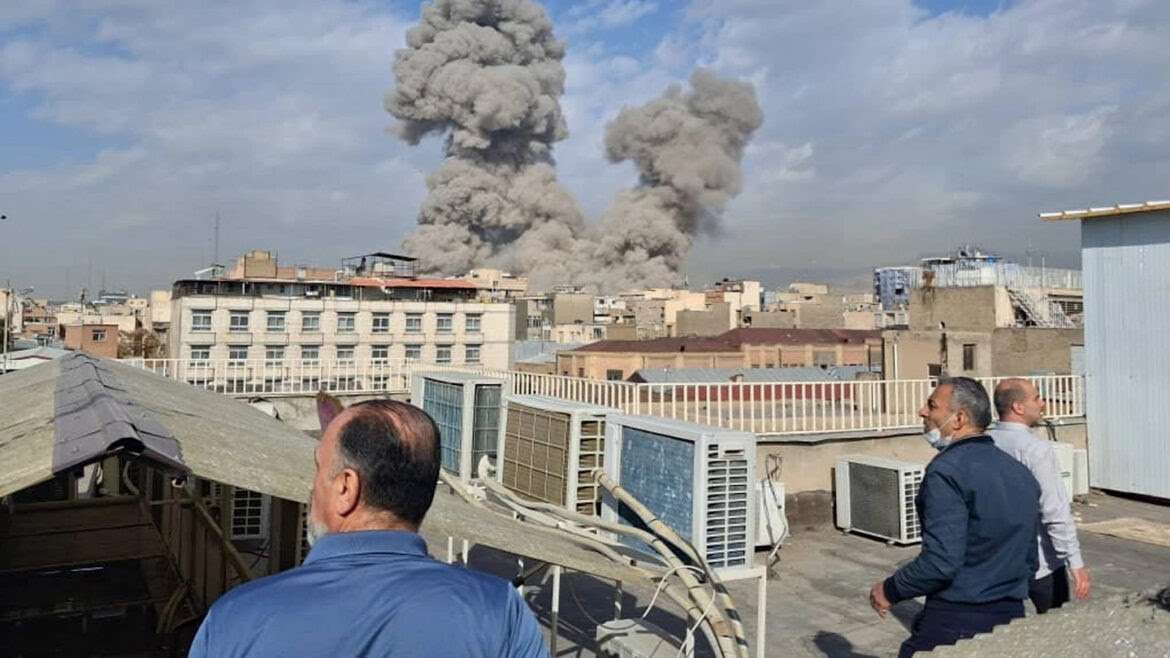
According to a statement released by Pashinyan’s office, participants in the Security Council meeting expressed “deep regret” over the developments, offered condolences for the victims, and stressed the need for a rapid restoration of peace. The statement added that Pashinyan issued “necessary instructions” to senior officials regarding Armenia’s response to the crisis, but gave no details. Armenia’s Foreign Ministry likewise stopped short of directly condemning the U.S.-Israeli campaign, saying only that it was monitoring events in the Middle East. Armenpress also reported that the ministry urged Armenian citizens in Iran and Israel to follow official security guidance.
The muted response stood in sharp contrast to Pashinyan’s public schedule on Saturday. Shortly after the outbreak of hostilities, the prime minister continued a pre-election trip through Armenia’s Armavir and Ararat provinces alongside senior government officials and ruling Civil Contract figures, including Foreign Minister Ararat Mirzoyan and parliament vice-speaker Ruben Rubinyan. Videos posted by Pashinyan on Facebook showed members of the delegation chatting casually on a bus, eating pastries, meeting residents, and even playing cards and backgammon — imagery that quickly drew backlash from opposition politicians who argued that the government was behaving as though a potentially catastrophic regional war were of little consequence to Armenia.
Opposition lawmaker Gegham Manukyan said the scenes spoke volumes about the government’s sense of responsibility, while Mayr Hayastan party leader Andranik Tevanian accused Pashinyan and his team of caring only about preserving power. Arayik Harutyunyan, Pashinyan’s chief of staff, pushed back later that day, denouncing such criticism and accusing opponents of exploiting the crisis for political ends.
The stakes for Armenia are obvious. Iran is not only a neighbor but one of Armenia’s few vital regional outlets, and any prolonged war, internal destabilization in Tehran, or wider military escalation could carry major consequences for Armenian trade, transport, energy security, and strategic balance. For that reason, critics say Yerevan’s initial reaction was not merely understated but alarmingly detached from the gravity of the moment.
Meanwhile, Israel continued striking targets inside Iran as Tehran retaliated with missile and drone attacks. Reuters and AP reported that Khamenei’s death was confirmed early Sunday, marking a historic rupture inside the Islamic Republic and intensifying uncertainty over both succession and the possibility of broader war. U.S. President Donald Trump has continued to press Iran over its nuclear program, which Tehran insists is for civilian purposes, while negotiations have failed to produce a breakthrough.