The Art of a Bad Deal
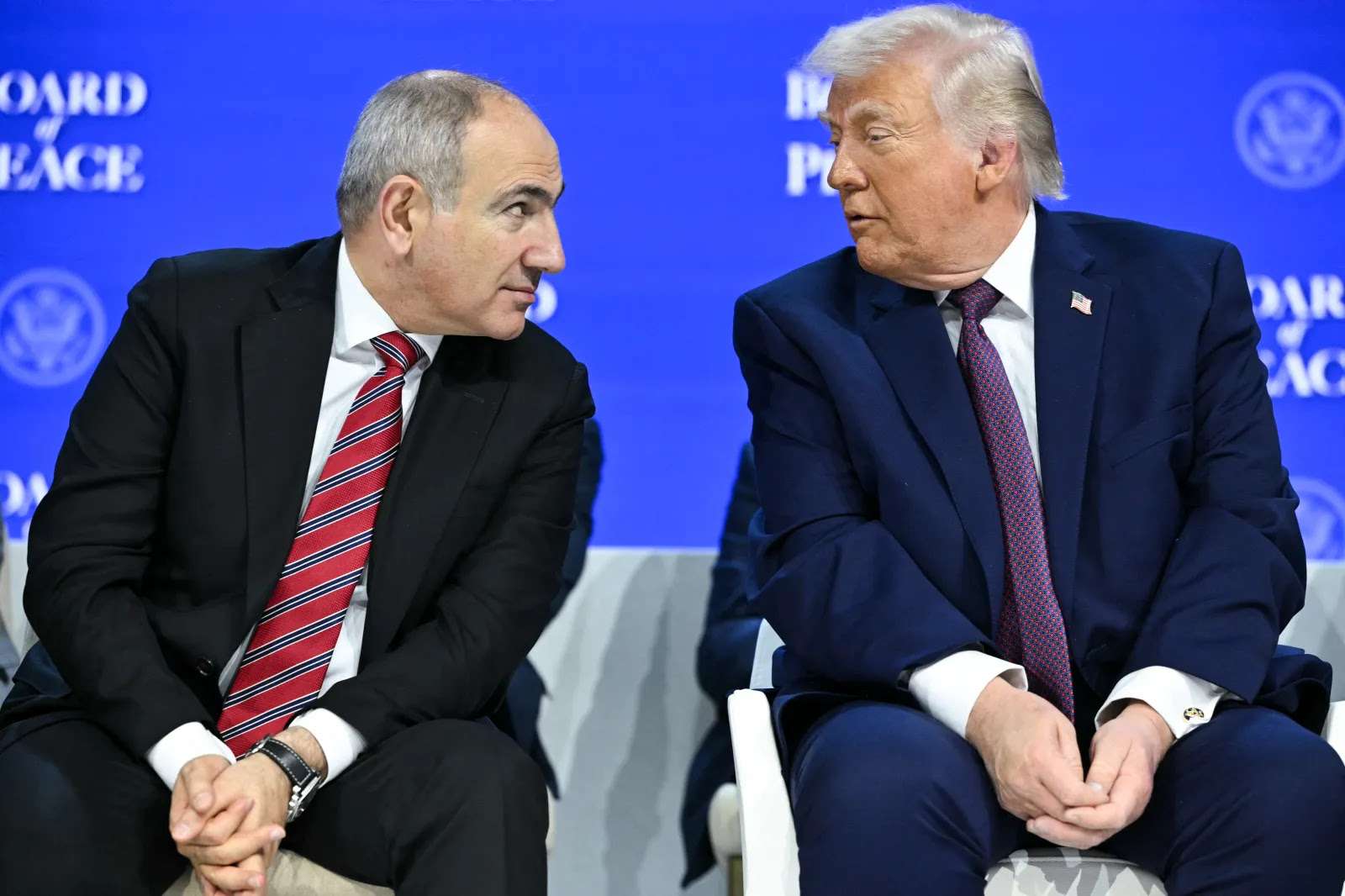
President Donald Trump’s latest National Security Strategy, which aims to codify his “America First” realism for the next decade, is not a blueprint for American strength. It is a retreat from global leadership. By prioritizing narrow nationalism and transactional economics over democratic values, the administration risks leaving the world more volatile for Americans and our allies alike.
Nowhere is this “transactionalism” more dangerous than in the South Caucasus. Last year, the president brokered a peace deal between Armenia and Azerbaijan to end a 35-year conflict. While efforts to resolve a war that has claimed over 30,000 lives since the 1990s are commendable, the framework of this deal is deeply flawed. By appeasing the autocratic regime of Azerbaijan’s President Ilham Aliyev, and disregarding democratic norms, Trump has left Armenia—a fragile beacon of liberty—isolated and vulnerable.

The “Corridor of Dependence”
The centerpiece of the deal—the Trump Route for International Peace and Prosperity (TRIPP)—is little more than a rebranded “Zangezur Corridor” with a thin veneer of American management. Under the framework, a private U.S. company will hold a 99-year lease on a transit route through Armenia’s Syunik province, connecting Azerbaijan to its exclave of Nakhchivan.
While the Trump administration insists Armenia will retain its sovereignty, the reality is a “corridor of dependence.” The deal also allows for third-party personnel and unimpeded transit. For a country as small as Armenia, losing operational control over its southern border is not just a logistical hurdle, but a death knell to its territorial integrity. Put simply, the deal risks reducing Armenia to a vassal state, facilitating the flow of Caspian oil to European markets at the expense of its own independence.
A Silence on Human Rights
The most egregious failure of this deal is its silence on the ethnic cleansing of more than 120,000 Armenians from their ancestral homeland of Artsakh in 2023. This was the largest displacement of Armenians since the 1915 genocide, yet the peace framework treats it as a footnote.
Since seizing the enclave, Azerbaijan has shown no earnest desire for peace. Baku continues to hold Armenian political prisoners and prisoners of war in “trials” marked by sham proceedings. Simultaneously, Azerbaijan has embarked on a campaign of cultural erasure, destroying Armenian religious and historical sites to wipe out any trace of Armenian identity in the region.
By pressuring Armenia to drop international legal cases against Azerbaijan in exchange for normalization, the Trump deal effectively sanctifies these war crimes. A peace that ignores the safe return of refugees and the fate of political prisoners is not peace. It is a stay of execution. It signals to regional autocrats that military aggression can be erased from history books if the price is right.
Moving the Goalposts
Despite these massive concessions, Azerbaijan continues to move the goalposts. President Aliyev has made any final signature contingent on Armenia amending its constitution to remove references to Artsakh which is a demand that strikes at the heart of Armenian identity.
President Trump’s push for a “quick fix” ahead of Armenia’s parliamentary elections is fueling domestic unrest. By forcing a traumatized population to choose between their national charter and a coerced agreement, the administration is not building stability but is merely chasing a Nobel Peace Prize talking point.
In many ways, this deal is built on Trump’s “Art of the Deal” philosophy with the belief that everyone and everything has a price. But if President Trump genuinely wants to secure the South Caucasus, he must provide ironclad security guarantees for Armenia and demand the unconditional release of all prisoners.
Instead, Armenia has been handed an economic pact that serves Azerbaijan’s interests while leaving Armenia a smaller share of its own dismembered territory. That is why we must stop calling this a peace deal. It is an economic mortgage on Armenia’s future where the interest rates are being set by its enemies.
Stephan Pechdimaldji is a communications strategist living in the San Francisco Bay Area. He is a first-generation Armenian American and the grandson of survivors of the Armenian genocide. You can follow him on X at @spechdimaldji.