To the United Nations Special Rapporteurs Office of the High Commissioner for Human Rights
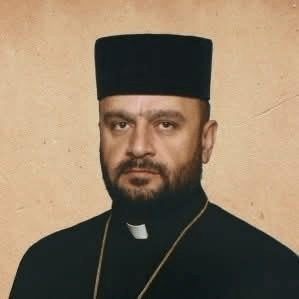
By Father Serop Azarian
I respectfully submit this communication for consideration under the mandates of the Special Rapporteur on the situation of human rights defenders; the Special Rapporteur on freedom of religion or belief; the Special Rapporteur on the independence of judges and lawyers; the Special Rapporteur on freedom of opinion and expression; and the Working Group on Arbitrary Detention.
This submission concerns a sustained and escalating pattern of serious human, political, and religious rights violations in the Republic of Armenia. These violations include politically motivated arrests and detentions; inhumane and degrading conditions of detention; denial or unreasonable delay of essential medical care; suppression of freedom of expression; intimidation of journalists and media personnel; and direct, unconstitutional interference by state authorities in the internal governance and sacred institutions of the Armenian Apostolic Church.
The cases and events outlined below, when assessed cumulatively and over time, demonstrate not isolated or incidental misconduct, but a systemic pattern of abuse, institutional degradation, and erosion of constitutional and international legal safeguards. The persistence and coordination of these violations warrant urgent international attention and an independent investigative response.
I. Jurisdiction and Applicable International Law
The Republic of Armenia is a State Party to the International Covenant on Civil and Political Rights (ICCPR), the European Convention on Human Rights (ECHR), the Convention Against Torture (CAT), and other core international human rights instruments. Armenia is therefore legally bound to respect, protect, and fulfill rights including:
• The prohibition of arbitrary arrest and detention (ICCPR, Art. 9; ECHR, Art. 5)
• The right to a fair and independent judiciary (ICCPR, Art. 14; ECHR, Art. 6)
• Freedom of religion or belief, including institutional autonomy (ICCPR, Art. 18; ECHR, Art. 9)
• Freedom of opinion, expression, and the press (ICCPR, Art. 19; ECHR, Art. 10)
• Freedom from torture and cruel, inhuman, or degrading treatment (ICCPR, Art. 7; CAT)
Domestic constitutional guarantees in Armenia further enshrine the separation of church and state and prohibit the abuse of executive power for political or ideological coercion. The conduct described below reflects serious and repeated departures from these obligations.
II. Politically Motivated Detention of Public Officials
A. Samvel Karapetyan
Mr. Samvel Karapetyan is currently detained under circumstances widely reported as politically motivated and disproportionate. Available information suggests deficiencies in evidentiary substantiation, lack of transparency in prosecutorial conduct, and procedural irregularities incompatible with international fair-trial standards.
The use of criminal proceedings and pretrial detention as instruments of political retaliation raises concerns under Articles 9 and 14 of the ICCPR and falls within the mandate of the Working Group on Arbitrary Detention.
B. Vardan Ghukasyan, Mayor of Gyumri
The arrest and detention of Mr. Vardan Ghukasyan, the democratically elected Mayor of Gyumri, raise serious concerns regarding political pluralism and local democratic governance. Criminal proceedings against a sitting municipal leader, widely perceived as politically motivated, undermine democratic participation and create a chilling effect on elected officials nationwide.
The detention of Mr. Vardan Ghukasyan, the democratically elected Mayor of Gyumri, appears to be politically motivated and disproportionate, raising serious concerns regarding the misuse of criminal proceedings to neutralize an opposition municipal leader. Of particular gravity is the reported denial or inadequate provision of medical care, despite Mr. Ghukasyan’s known heart condition, which requires ongoing medical supervision. The failure of detention authorities to ensure timely and appropriate medical treatment places his health and life at risk and constitutes a violation of the state’s positive obligations toward detainees. Taken together, the political context of his arrest and the denial of necessary medical care indicate arbitrary detention and inhuman treatment in breach of Articles 9 and 14 of the ICCPR and Article 3 of the ECHR.
III. Arbitrary Detention and Ill-Treatment of Civic Activists
A. Vazgen Saghatelyan
Mr. Vazgen Saghatelyan’s detention raises substantial due-process concerns, including questionable legal necessity and apparent retaliation for civic engagement and political expression. His case reflects a broader pattern of suppressing civil society through coercive legal mechanisms.
B. Narek Samsonyan – Hunger Strike and Conditions of Detention
Of particular urgency is the case of Mr. Narek Samsonyan, reported to be on the ninth day of a hunger strike undertaken in protest of his detention and treatment.
Credible information indicates that Mr. Samsonyan is held in conditions inconsistent with the United Nations Standard Minimum Rules for the Treatment of Prisoners (Nelson Mandela Rules), including inadequate medical monitoring, isolation, and insufficient sanitary conditions. The failure to ensure his health and safety places him at imminent risk and may constitute cruel, inhuman, or degrading treatment.
IV. Detention and Persecution of Senior Clergy
A. Archbishop Mikayel Ajapahyan Archbishop Mikayel Ajapahyan is reportedly imprisoned on charges widely regarded as false or politically motivated. Of particular concern is the prolonged denial or delay of necessary surgical and medical care during his detention.
The intentional withholding of essential medical treatment from a detainee constitutes a serious violation of international standards and may fall within the scope of inhuman treatment.
The detention of Archbishop Mikayel Ajapahyan appears to stem not from any criminal conduct, but from his act of quoting or referencing the views of another individual in the course of religious or public discourse. The criminalization of such expression—absent incitement to violence or unlawful action—constitutes a clear violation of freedom of expression and freedom of religion under international law. The use of detention in response to the mere quotation of viewpoints reflects a misuse of criminal law to suppress speech and religious authority, and raises serious concerns of arbitrary detention and politically motivated prosecution in breach of Articles 9, 14, 18, and 19 of the ICCPR.
B. Archbishop Arshak Khatchatryan
The criminal charges brought against Archbishop Arshak Khatchatryan bear clear indicators of being trumped up and pretextual. The allegations, as reported, are vague in formulation, unsupported by clear and individualized evidence, and advanced through procedures that fall short of international fair-trial guarantees. The timing and context of the prosecution—amid broader state actions targeting senior clergy of the Armenian Apostolic Church—raise serious concerns that the proceedings serve punitive and coercive purposes rather than legitimate law enforcement objectives. Taken together, these factors support a prima facie finding of arbitrary detention and politically motivated prosecution in violation of Articles 9, 14, and 18 of the ICCPR.
C. Archbishop Bagrat Galstanyan
The prosecution of Archbishop Bagrat Galstanyan on allegations of terrorism is manifestly unfounded and bears the hallmarks of a bogus and abusive application of counterterrorism laws. Available information indicates that the charges rely on expansive and speculative interpretations of lawful religious, civic, or expressive activity, absent credible evidence of violent intent, planning, or participation in terrorist acts as required under international law. The misuse of terrorism-related accusations against a senior cleric constitutes a grave violation of due process and freedom of religion, and raises serious concerns of arbitrary detention and bad-faith prosecution in violation of Articles 9, 14, and 18 of the ICCPR, as well as established international standards prohibiting the instrumentalization of counterterrorism measures to suppress dissent.
D. Bishop Mkrtich Proshyan
The imprisonment of Archbishop Arshak Khatchatryan, Archbishop Bagrat Galstanyan, and Bishop Mkrtich Proshyan represents an unprecedented intrusion by state authorities into the internal governance of the Armenian Apostolic Church.
These actions raise grave concerns regarding violations of freedom of religion or belief, institutional religious autonomy, and state non-interference in ecclesiastical affairs.
V. Unconstitutional State Interference in Religious Affairs
Beyond individual prosecutions, Armenian authorities have engaged in systematic interference in the internal life of the Armenian Apostolic Church, including:
• Disruption of divine liturgies and ecclesiastical gatherings
• Pressure on clergy to omit liturgical commemoration of His Holiness Catholicos Garegin II
• Judicial attempts to reinstate Bishop Gevorg Saroyan into the Diocese of Masyatsotn, notwithstanding canonical dismissal
Such actions exceed any legitimate civil jurisdiction and constitute violations of Article 18 of the ICCPR.
VI. December 18, 2025: Incitement and Threats to Holy Etchmiadzin On December 18, 2025, Prime Minister Nikol Pashinyan publicly addressed supporters in a manner widely interpreted as incitement against the Armenian Apostolic Church.
Subsequently, a hostile group advanced toward Holy Etchmiadzin, the Mother See of the Armenian Apostolic Church. Credible accounts indicate entry into the sacred premises with apparent intent to intimidate, forcibly remove, or physically harm His Holiness Catholicos Garegin II of All Armenians.
This incident constitutes a serious threat to religious leaders, a violation of a protected religious site, and a failure of the state’s duty to prevent incitement and violence.
VII. Systematic State Interference and Denigration of His Holiness Catholicos Garegin II of All Armenians
Since assuming office, Prime Minister Nikol Pashinyan has engaged in a sustained campaign of interference, intimidation, and public denigration targeting the Armenian Apostolic Church and its supreme spiritual leader, His Holiness Catholicos Garegin II of All Armenians. Credible reports indicate that Pashinyan has repeatedly made public statements undermining the authority and legitimacy of the Catholicos, including disparaging remarks that question his moral and spiritual leadership. Such statements go beyond political criticism and constitute a direct attack on the dignity, authority, and institutional integrity of the Church.
In addition to public denigration, there are multiple documented incidents in which the Prime Minister or his agents have exerted pressure on clergy to omit the name of His Holiness Garegin II during divine liturgies, an act without any constitutional or canonical legitimacy. By attempting to dictate liturgical practices—normally the exclusive domain of ecclesiastical authority—the state actively disrupts the spiritual life of the Church and interferes with fundamental religious freedoms guaranteed under both domestic law and international human rights standards, including Article 18 of the ICCPR.
These actions are accompanied by broader coercive strategies, including the use of state resources, media outlets, and security forces to apply pressure on clerics and Church administrators. Reports indicate that clergy and lay leaders have been threatened with investigation, loss of state funding, or other administrative reprisals if they do not comply with government directives. Such measures amount to a systematic campaign of blackmail, intimidation, and coercion, designed to fracture the unity of the Armenian Apostolic Church and subordinate its spiritual authority to political interests.
The deliberate combination of public denigration, liturgical interference, threats, and misuse of state institutions constitutes a pattern of state-enabled harassment aimed at controlling the internal governance of the Church. This interference is unprecedented in modern Armenian history, and it represents a fundamental violation of the separation of church and state, the autonomy of religious institutions, and the right of clergy to conduct religious rites free from governmental interference. The cumulative effect of these acts is to undermine the moral and institutional authority of His Holiness Catholicos Garegin II and to threaten the cohesion, independence, and spiritual mission of the Armenian Apostolic Church.
Given the systemic nature of these actions, the use of state power to intimidate religious leadership, and the clear violation of both domestic constitutional protections and international human rights obligations, urgent international attention and intervention are warranted to prevent further escalation and to safeguard the religious freedom and institutional integrity of the Armenian Apostolic Church.
VIII. Promotion of Division Within the Armenian Apostolic Church Reports indicate that Prime Minister Nikol Pashinyan has actively promoted animosity toward clergy loyal to His Holiness Catholicos Garegin II, publicly endorsing individuals within the clergy who align themselves with his political agenda and participate in efforts to undermine the authority of the Catholicos. By favoring certain clerics over others, Pashinyan is effectively creating factions within the Church, encouraging division, and delegitimizing those who maintain fidelity to canonical leadership. Such actions constitute a blatant overreach of executive power and are wholly inconsistent with the constitutional separation of church and state.
Further compounding this interference is the civil-court-ordered “reinstatement” of Bishop Gevorg Saroyan as Primate of the Diocese of Masyatsotn, despite his prior dismissal through established ecclesiastical procedures. This judicial intervention, seemingly aligned with Pashinyan’s objectives, represents an unwarranted and unacceptable encroachment into religious governance, as civil authorities possess no legitimate jurisdiction to appoint or reinstate clergy within the Armenian Apostolic Church. Taken together, Pashinyan’s endorsement of compliant clerics and promotion of internal divisions constitutes a systematic attack on the unity, independence, and canonical integrity of the Church, violating both national law and international protections for religious freedom.
IX. Suppression of Media and Freedom of Expression Journalists and media personnel have reportedly faced arbitrary detention, intimidation, threats of prosecution, raids, and confiscation of materials. These practices undermine freedom of expression and fall squarely within the mandates of the Special Rapporteur on freedom of opinion and expression.
X. Pattern of Systemic Violations Taken together, the above allegations indicate a systemic pattern involving:
• Politicization of law enforcement and prosecutorial bodies
• Erosion of judicial independence
• Suppression of civil society and media
• Targeting of religious institutions
• Normalization of arbitrary detention and impunity Such a pattern is incompatible with Armenia’s international obligations.
XI. Requests to United Nations Special Procedures
In light of the above, I respectfully request that the relevant Special Rapporteurs and Working Groups:
1. Initiate urgent communications with the Government of Armenia and Catholicos of All Armenians, His Holiness Garegin II.
2. Seek clarification regarding the legal basis of the detentions described.
3. Call for immediate medical care and humane treatment of detainees without delays.
4. Recommend the release of individuals arbitrarily detained.
5. Harshly condemn state interference into religious affairs.
6. Support the establishment of an independent international investigation into persistent violations of human, political, and religious rights in Armenia, with findings made public and accompanied by recommendations for accountability and guarantees of non-repetition.
XII. Conclusion
The violations described herein represent a serious threat to human dignity, democratic governance, and religious freedom in Armenia. Continued international silence risks entrenching impunity and further escalation.
I respectfully request the urgent and sustained engagement of the United Nations Special Procedures.
Respectfully submitted, Father Serop Azarian Las Vegas, NV, USA