
7 Property Features That Dictate Which Canadian Home Medical Alert System You Should Buy
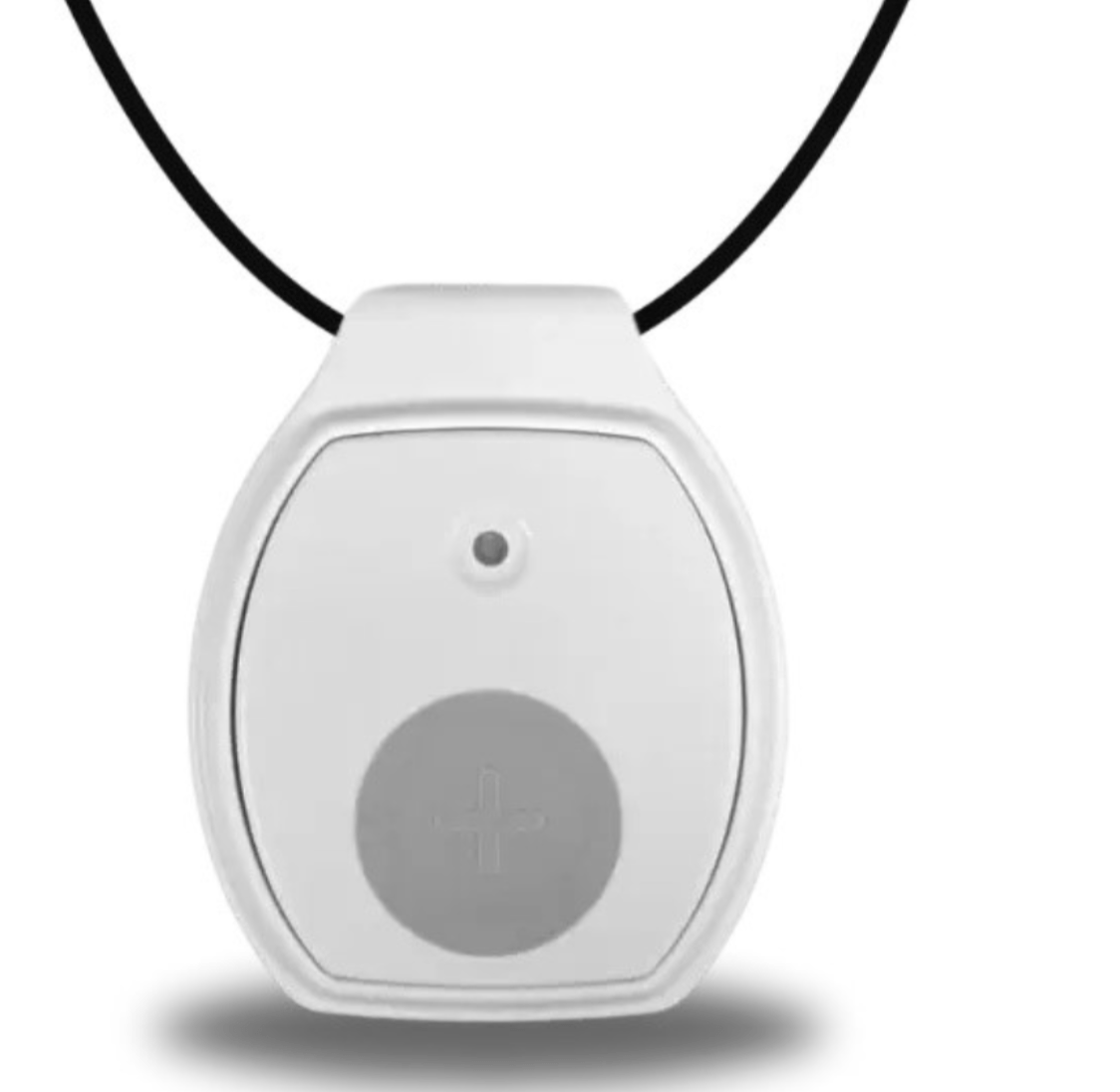
In many Canadian families, the response time is a major concern for the safety of their loved ones in case of a medical emergency at home. A fall in the bathroom, dizziness while preparing meals, or the inability to reach a telephone can pose significant hazards, particularly for older people.
Meanwhile, the selection of the correct medical alert system can seem daunting, as each home has a unique setup and living situation. Some homes have more than one level, and some have big outdoor spaces or poor cell phone signals.
Thus, the purchase of the wrong system may actually do more harm than good with regard to safety. Knowing the impact that your property has on device performance will help you make a better decision.
This article outlines 7 key property factors to consider when choosing a Canadian home medical alert system for peace of mind throughout the day.
 1. Communication Range is Needed in Large Indoor Spaces
Range is one of the most crucial features to consider if your home has more than one level, a long hallway, or a separate room or area. A reliable home alert system for seniors Canada must communicate all around the house, not just around the base unit.
Long-range connectivity and highly sensitive microphones enable users to clearly communicate with monitoring experts in various rooms.
This is particularly useful in larger households where, in an emergency, you may not be able to get to the main device in time. Two-way communication can be reliable with extended signal coverage, which can help improve response efficiency.
2. Water-Resistant Wearables are required for Bathrooms and Kitchens
Bathrooms and kitchens include hard surfaces and slippery surfaces that can lead to many falls. As such, water-resistant pendants are a must-have in households that frequently have to deal with dampness.
A wearable alert button should still work in the shower, near the sinks, or when doing everyday household chores. Other options are lightweight wristbands that can be worn every day and necklace-style pendants. Because emergencies don’t often occur at the right time, continuous coverage within wet spaces enhances household security and peace of mind.
3. Back-up Battery Protection May Be Needed for Older Homes
Older Canadian homes continue to have power outages from time to time during storms and weather changes. Backup battery support is, therefore, a big consideration when comparing systems. An extended battery life medical alert system is still functional when power goes out for a while.
The extra protection ensures uninterrupted access to emergency monitoring services. Additionally, reliable battery backup minimizes the worry for families during winter storms when there can be longer than anticipated power outages. Longer backup systems provide greater peace of mind.
4. Properties With Limited Mobility Access Benefit from Fall Detection
 Some houses have stairs or tight passageways, or unlevel sidewalks, which can make it more likely to fall. In such settings, automatic fall detection is an extra safety feature as help can be called even if the user is unable to call for themselves.
This function can prove particularly useful for those who are recovering from an operation, suffering from problems with their balance, or simply spending long stretches of time on their own. No technology can replace supervision, but automatic detection provides an additional level of support to accommodate difficult home configurations and mobility restrictions.
5. Rural Properties Need Reliable Connectivity Compatibility
Rural homes across Canada sometimes experience communication limitations depending on internet or phone infrastructure. Because of this, compatibility with VoIP and cable connections should always be reviewed before purchasing a system.
A reliable setup must integrate smoothly with the property’s existing communication services without requiring complicated installation. Easy setup procedures also matter for households that prefer simple activation rather than technical adjustments. Choosing a system designed for flexible connectivity improves usability and helps avoid disruptions during emergencies.
6. Shared Living Arrangements Require Multi-User Flexibility
Some Canadian households include couples, aging siblings, or multigenerational family members sharing the same property. In these situations, systems supporting multiple wearable pendants can provide broader protection without requiring separate setups.
This approach improves convenience while helping every resident maintain emergency assistance. Additionally, shared systems simplify monitoring and reduce the need for duplicate equipment throughout the home. Properties designed for shared living benefit most from flexible systems that adapt to changing household needs over time.
7. Compact Homes Still Need Clear Audio Performance

Even in smaller properties or apartments, communication quality should never be overlooked. During emergencies, stress can affect speech clarity and movement. Therefore, strong speakers and sensitive microphones remain essential regardless of property size.
Devices that support clear two-way communication help monitoring professionals assess situations faster and provide accurate assistance when needed. Smaller homes may not require extended range, yet dependable audio performance still improves response efficiency and user confidence.
Final Thoughts
Choosing a Canadian home medical alert system becomes easier when you evaluate your property before comparing features. Every home creates different safety challenges, whether related to room size, bathroom conditions, mobility barriers, or communication infrastructure.
Therefore, understanding these details helps you select equipment that supports reliable protection instead of creating avoidable limitations. Features such as water-resistant pendants, backup batteries, fall detection, and two-way communication become more valuable when matched to the property itself.
In addition, flexible connectivity and multi-user support improve convenience for many households. By focusing on how the system performs inside your living environment, you can make a practical decision that supports safety, independence, and faster emergency response every day.