ARMENIA: Apostolic Church Under Attack
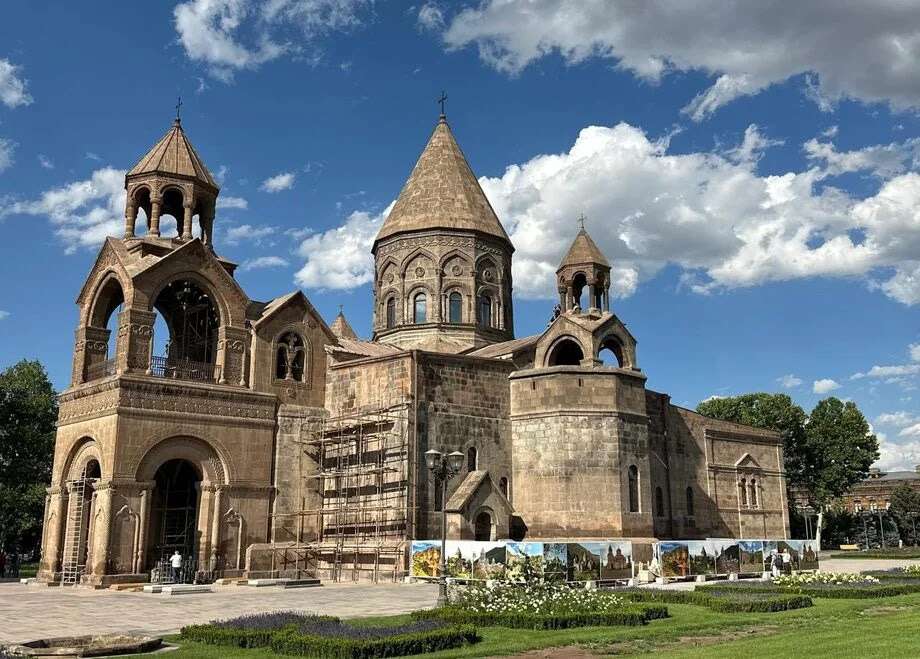
Escalating State Pressure on the Armenian Apostolic Church – A Threat to Religious Freedom in the World’s First Christian Nation
In a series of aggressive moves over the past week, the Armenian government under Prime Minister Nikol Pashinyan has intensified its campaign against the Armenian Apostolic Church, raising serious alarms about violations of freedom of religion or belief (FoRB) in a country that proudly claims to be the first nation to adopt Christianity as its state religion in 301 AD.

Key developments reported in the last 24–48 hours include:
- Dissolution of the Military Chaplaincy Program: On January 29–31, 2026, Defense Minister Suren Papikyan issued a decree terminating the Spiritual Service of the Armenian Armed Forces, effective February 1. This ends a program established in 1997 (with roots dating to initiatives by late Catholicos Karekin I and statesman Vazgen Sargsyan), which placed dozens of chaplains in military units to provide spiritual support to soldiers. Chaplains reportedly refused pressure to align with the government’s “church reform” agenda targeting Catholicos Karekin II, leading to the unilateral shutdown. Critics, including opposition MPs and church representatives, describe this as an attack on spiritual security and national tradition, with the army’s church in Kanaker now closed to soldiers.
- Travel Bans and Restrictions on Senior Clergy: Authorities imposed exit bans on two archbishops and three bishops, preventing their participation in the Episcopal Assembly of the worldwide Armenian Church scheduled for February 16–19 in Austria. This follows summonses to members of the Supreme Spiritual Council to appear before the Investigative Committee on charges of “obstructing the execution of a court act,” widely viewed as politically motivated interference in church governance.

The head of the Armenian Apostolic Church, Catholicos Karekin II
These actions build on a broader pattern of persecution since mid-2025: four bishops (and reports of up to half the archbishops) remain in pretrial detention or imprisoned on charges critics call fabricated, including incitement, drug-related accusations, and attempts to overthrow the government. Prominent church supporter and businessman Samvel Karapetyan has also been detained. The government has publicly demanded the removal of Catholicos Karekin II, accusing him of illegitimacy and pushing for state-influenced “reforms.”
Advocates warn that these measures represent unprecedented state interference in the church’s autonomy, echoing Soviet-era tactics to subordinate religious institutions.
The conflict risks undermining Armenia’s national identity, cultural heritage, and stability amid regional tensions. FOREF Europe President Jan Figel has condemned these actions, stating: “We are witnessing unlawful actions directed against religious freedom and the constitution in Armenia… Practices especially against the Armenian Apostolic Church are unacceptable legally, politically and ethically,” and warning that “this is detrimental not only for the church but for the whole country and for the whole nation.”

International Spotlight at the IRF Summit
The crisis is receiving prominent attention at the ongoing International Religious Freedom Summit (February 2–3, 2026) in Washington, D.C. Panels feature Armenian representatives from the Diocese of the Armenian Church of America, including Tamar Purut and Nina Shaverdyan, addressing the persecution. Lawyer Aram Vardevanyan highlighted the detention of clergy and benefactors as political prisoners in his address, while Christian Solidarity International (CSI) is conducting a concurrent fact-finding mission in Armenia to document the crackdown and brief summit attendees.
Ahead of VP Vance’s Visit
With U.S. Vice President JD Vance scheduled to visit Armenia (and Azerbaijan) in February 2026 to advance peace efforts, advocacy groups including CSI, ANCA, and others are urging intervention. Calls focus on ending the anti-church campaign, securing the release of detained clergy, and addressing FoRB concerns alongside regional stability issues.
FOREF Europe condemns these developments as grave threats to freedom of religion or belief, a core human right enshrined in international law. We call on the Armenian authorities to cease interference in church affairs, release those detained on dubious charges, and restore mechanisms for spiritual support in public institutions. The international community, including democratic governments and faith leaders, must prioritize this issue to prevent further erosion of religious freedom in the Caucasus.