A Cautionary Tale for the Armenian Diaspora: Art, Forgery, and Silence
By Arto Tavukciyan
After more than seven years of litigation, I have finally won my case in Armenia.
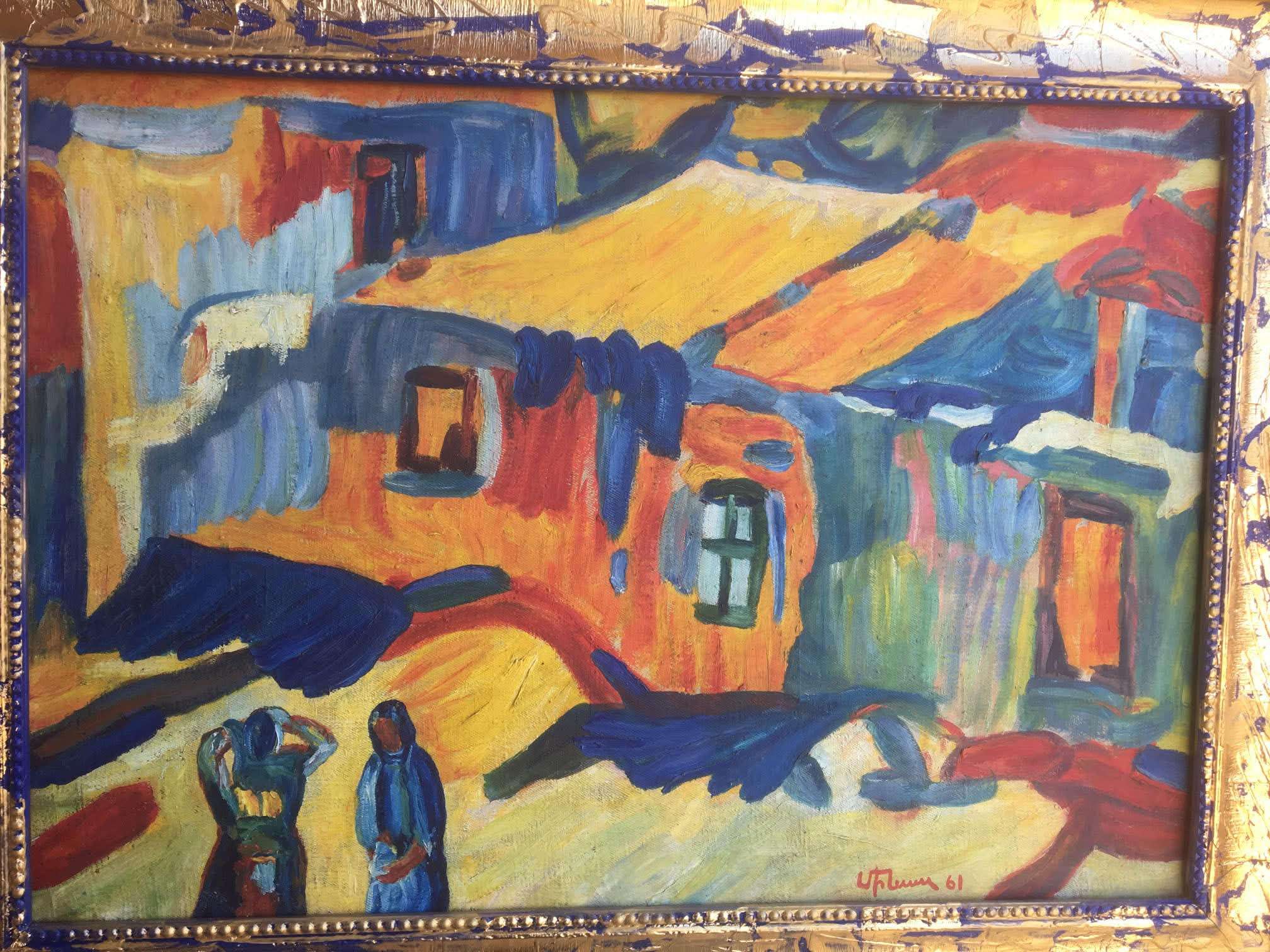
In 2018, I filed a lawsuit against art dealer Robert Piloyan (also known as Robert Smirnov) after discovering that a painting attributed to Minas Avetisyan, for which I had paid an advance, was likely a forgery. Our agreement was that I would complete the payment and receive the painting during a later visit to Armenia. However, serious doubts regarding the work’s authenticity soon emerged.
The case passed through two court instances and encountered numerous legal and procedural obstacles. One of the most troubling aspects was that two licensed Armenian expert institutions issued contradictory expert opinions—one declaring the painting original, the other stating it was fake.
The institution that identified the work as fake was the Expert Center on Komitas Street. While this center had issued questionable opinions in the past, since 2018 it has been operating professionally under the leadership of Ester Aprahamian. The other expert institution, by contrast, appeared willing to issue almost any opinion in exchange for payment.
Even endorsements from the artist’s children and from well-known art critics—such as Shahen Khachaterian, who signed off on the painting—proved unreliable in this case.
Since the beginning of my legal battle, I have conducted extensive independent research. What emerged was the outline of a large, interconnected network of deception, stretching from painters to expert centers and ultimately to distributors. Auction houses such as Shapiro and Trinity are allegedly used to circulate these works, with Diasporan Armenians in the United States often being the primary targets.
Art professionals understand how difficult attribution can be when provenance is missing, when not all of Minas Avetisyan’s works are documented, and when his legacy has been systematically targeted by forgers.
Under Armenian law, the works of Minas Avetisyan are considered national cultural heritage and are meant to be protected. Yet this trial revealed that such protection often does not exist in practice:
Paintings can cross borders without proper declaration.
The Ministry of Education, Science, Culture and Sport of the Republic of Armenia lacks the authority to convene independent expert committees.
Individual experts avoid issuing public opinions due to legal and professional risks.
Equally troubling was the culture of silence surrounding the case. Many individuals who privately acknowledged that the painting was likely fake refused to become involved. Their reluctance was not based on uncertainty, but on fear—fear of legal consequences, professional retaliation, or public exposure.
I also approached multiple media outlets in an effort to bring transparency to the issue. The response I repeatedly received was “Amot է”—that exposing such practices would shame Armenia internationally and, by extension, ourselves.
But this attitude raises a fundamental question: How can Armenia be protected or improved if wrongdoing is concealed rather than confronted? Silence does not preserve our reputation; it enables the continued erosion of trust in our institutions and the debasement of our cultural legacy.
Ultimately, the court ruled that:
The conflicting expert opinions were equal in evidentiary value but inconclusive
It is not possible to categorically determine whether the painting was created or signed by Minas Avetisyan.
Because authenticity remains legally disputable, the advance payment must be refunded
While the court could not definitively prove that the painting was fake, it officially established that its authenticity is legally disputable. As a result, one more questionable work has effectively been removed from the art market—at least for those who know this story.
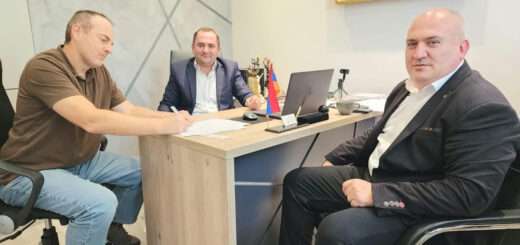
I would like to express my sincere gratitude to my legal team, especially Shushan Tadevosyan, who previously worked with HSH and now runs her own law firm. She never gave up and, like me, refused to accept the debasement of our legacy artists.