Armenian Women in Venezuela Cook Thousands of Meals for Earthquake Survivors and First Responders
The Armenian Report
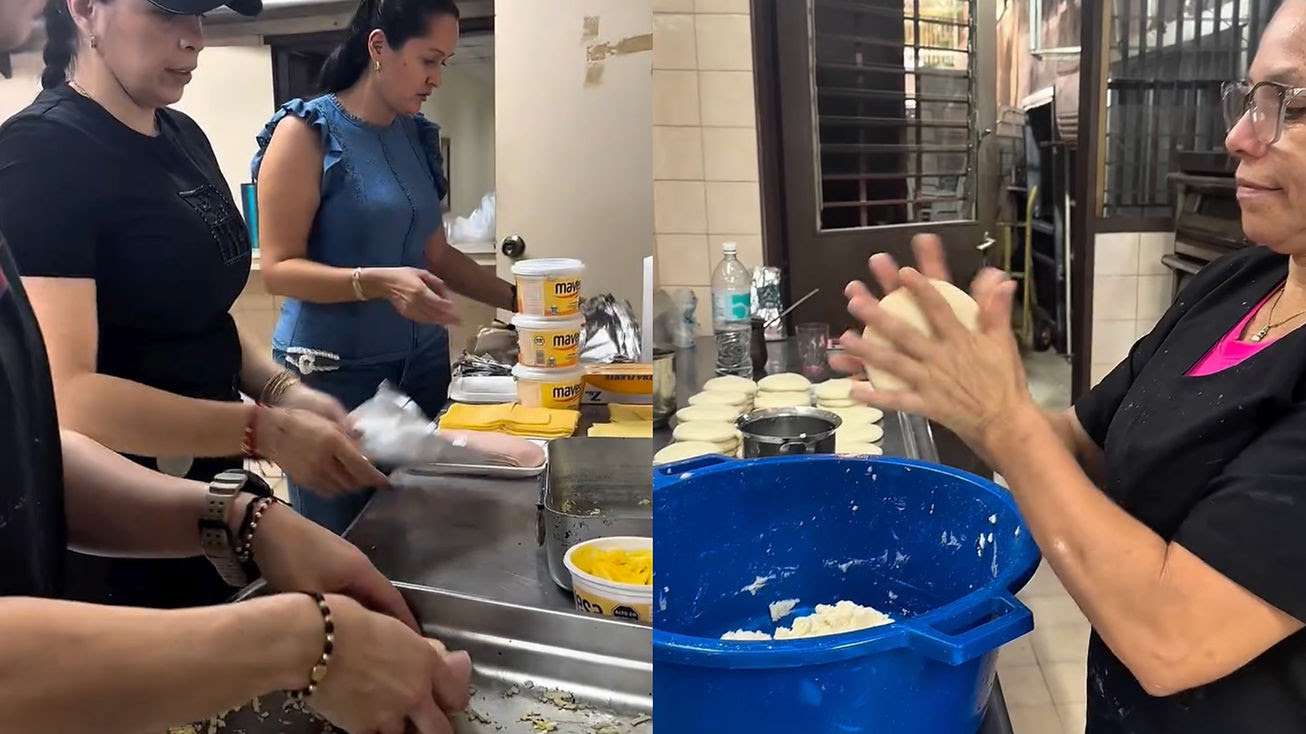
As Venezuela recovers from a devastating earthquake, Armenian women have spent the past five days preparing hot meals for survivors, emergency responders, and anyone in need—turning the country’s Armenian community into one of the grassroots relief efforts supporting the wider population.
Speaking exclusively to The Armenian Report, Archbishop Petros of the Armenian Church in Venezuela said the community’s response has extended far beyond helping Armenians alone, with volunteers from the Armenian and Syrian communities working side by side with local Venezuelans to provide food and humanitarian assistance.
“Over the past five days, our Armenian women have been preparing meals every day, assisted by volunteers from the Syrian Club as well as local Venezuelan women,” the archbishop said. “Together, they have united as one team to prepare food and deliver assistance to those affected by the earthquake, to emergency responders, and to anyone in need. We make no distinction. As a church, we provide assistance not only to our own community but to everyone who has suffered because of this devastating earthquake.”
Despite the scale of the disaster, Archbishop Petros said the earthquake did not claim the lives of any members of Venezuela’s Armenian community, and no Armenians remain missing. The community has, however, suffered significant property damage, including to the Armenian church and community center.

Only two Armenian families lost their homes. According to the archbishop, both families have found temporary accommodation with relatives or friends, and no Armenian currently requires emergency shelter. He added that the Armenian church and school were immediately opened and made available should anyone need a place to stay.
The Armenian Church declared the Armenian Club a relief center on the first day after the earthquake, prompting an immediate outpouring of donations from the local community. The facility has since become a hub for collecting and distributing humanitarian aid to those most affected by the disaster.
Support has also poured in from across the global Armenian diaspora. Archbishop Petros said the first donations came from former members of Venezuela’s Armenian community who had emigrated abroad but remained deeply connected to their homeland.
“They may have left Venezuela years ago, but their hearts remain here with their compatriots and families,” he said.
Armenian communities in Brazil, Argentina, Uruguay, and the United States have also offered assistance. A GoFundMe fundraising campaign has been launched, while the Eastern US Armenian Diocese has announced its own fundraising initiative to help restore the Armenian church, community institutions, and support relief efforts in Venezuela.
The archbishop added that, as in many Armenian diaspora communities around the world, the Armenian Church serves as the heart of community life in Venezuela, coordinating humanitarian efforts while representing both the Armenian community and the Republic of Armenia within Venezuelan society.
He also revealed that Armenia’s Ambassador to Venezuela, Armen Sargsyan, contacted the community immediately after the earthquake to receive updates and express solidarity.
Looking ahead, Archbishop Petros said the community’s greatest challenge is no longer providing immediate material assistance, but helping people recover emotionally from the disaster.
“At this moment, our greatest challenge is providing psychological support, remaining united in prayer, and preserving hope among our people in Venezuela,” he said. “This disaster has left deep wounds, and overcoming them will undoubtedly take time. But with God’s help and through our prayers, I am confident that we will overcome this challenge.”