|
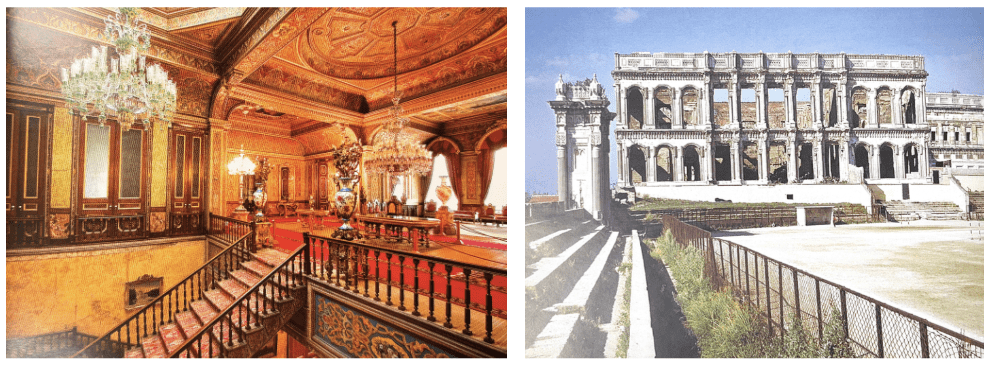
This differentiation fostered a deeply interconnected economy. Urban centers, especially Istanbul, depended on the cooperation of multiple communities whose economic roles complemented one another. Trade, finance, craftsmanship, and administration required constant interaction across religious boundaries. In this sense, the millet system did not isolate communities economically; rather, it created a framework in which diversity could contribute to economic dynamism. Markets, workshops, and state institutions became shared spaces where Armenians, Greeks, Jews, and Muslims interacted regularly, producing a form of everyday coexistence that a modern observer might recognize as functional integration. At the same time, this system did not produce equality. Muslims occupied a privileged legal and political position, and access to certain forms of power remained uneven. Yet the economic interdependence of communities facilitated social interaction and mutual reliance. The stability of this arrangement depended less on complete harmony than on a managed balance, maintained by the Sultan and imperial administration, who had a vested interest in preserving order and ensuring the steady flow of revenue.
The flexibility of the millet system allowed communities to mobilize institutions and networks, encouraging productivity, yet its segmented structure could reinforce boundaries. What is clear is that it sustained a complex, multi-religious economic order over centuries, combining cooperation with hierarchy, a context that makes the later breakdown of Ottoman pluralism and the violence against Armenian, Greek, and Assyrian Christians all the more striking.
Separating from the major urban and economic Armenian actors discussed above, we now turn to everyday life in small towns and villages, including Armenians working as shopkeepers, artisans, and small business owners. We invite you to watch the following video from the Institute’s Clips from the Collection series, featuring selected interview excerpts from Armenian Genocide survivors in our Oral History Collection, offering insight into ordinary lived experience rather than elite professions.
|