Pashinyan Outlines Peace Timeline, Constitutional Reforms, and Regional Alliances at Post-Cabinet Briefing
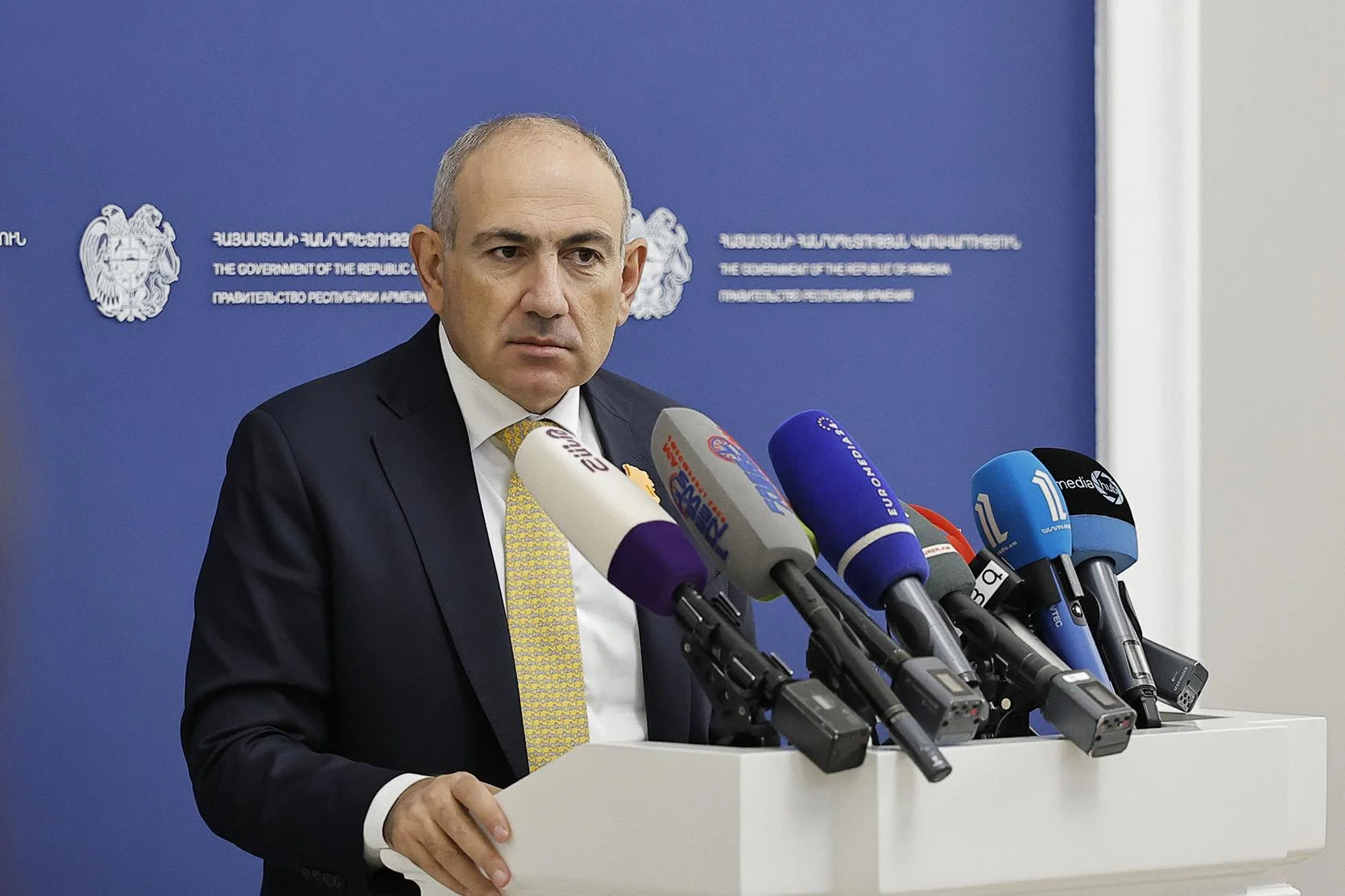
Armenian Prime Minister Nikol Pashinyan addressed key national issues during a comprehensive press briefing on October 22, 2026, detailing strategic shifts in regional diplomacy and domestic governance. Speaking to reporters following a government cabinet meeting, Pashinyan updated the public on the peace timeline with Azerbaijan, proposed constitutional changes, and economic dependencies within regional trade blocs.
Accelerating the Peace Timeline with Azerbaijan
- Targeting 2027–2028: Pashinyan indicated that the long-awaited peace treaty with Azerbaijan could realistically be finalized and signed between 2027 and 2028. While time constraints prevent a signing before the end of this year, he explicitly rejected any deliberate delays, stating that postponing the agreement until 2029 or 2031 is not on the government’s agenda.
- Border Openings and Enclaves: Ongoing three-way talks continue between Armenia, Azerbaijan, and Turkey to open the Armenian-Turkish border, despite some operational reservations from Azerbaijan. Pashinyan reiterated his vision of border delimitation without enclaves, suggesting equal territory exchanges instead.
- Border Incidents: Addressing a recent incident where an Azerbaijani civilian got lost and crossed into Armenia’s Tavush Province on October 19, Pashinyan confirmed that Armenia will return the individual, stating it is standard humanitarian protocol for non-combatants who mistakenly cross un-demarcated territory. He declined to comment on separate geopolitical frictions between Ankara and Baku.
Constitutional Overhaul and Snap Election Warnings
- A Mission for a New Constitution: Pashinyan announced that the government will soon publish a draft for an entirely new Constitution of Armenia. He framed constitutional reform as a fundamental step toward securing Armenia’s long-term sovereign future.
- Snap Election Pivot: Pashinyan issued a direct warning to opposition lawmakers, stating that if they block the constitutional reforms in parliament, he is prepared to pivot and trigger snap parliamentary elections to let the public decide. He added that if the Armenian people do not support this political mission, he will consider his time in office to be at its end.
Regional Tensions: Responding to EAEU Rumors
- Refusing EAEU Suspension: Reacting to a joint report from fellow Eurasian Economic Union (EAEU) members—Russia, Belarus, Kazakhstan, and Kyrgyzstan—hinting at a potential suspension of the treaty application to Armenia, Pashinyan dismissed the threats. He noted that EAEU states lack the legal framework to expel a member state.
- Foreign Policy Diversification: Adopting a “we’ll live, we’ll see” stance, Pashinyan noted that for the first time in history, regional dominant powers are actively signaling an interest in pushing Armenia out rather than drawing it closer. In response, he emphasized that Armenia is committed to diversifying its international relations, noting that his administration supports the civil society legislative initiative exploring a future path toward European Union membership.
Global Ambitions: Defending COP17 and Eyeing Future Conferences
- Boosting Limited Recognition: Defending Armenia’s hosting of the ongoing COP17 UN Biodiversity Conference in Yerevan from domestic critics, the Prime Minister noted that events of this scale are vital economic factors that raise the profile of a nation with historically “limited international recognition.”
- Hosting Major Climate Events: Building on the infrastructural success of COP17, Pashinyan revealed that Armenia is actively positioning itself as a premier venue for high-level international diplomacy and could take concrete steps to bid for the world’s largest UN Climate Change Conference in the future.