Peace, Sovereignty, and the Protection of Armenia’s Christians
Recent announcements from Washington have highlighted a U.S.-brokered peace framework between Armenia and Azerbaijan, promoted as a step toward stability in the South Caucasus. Central to the agreement is a proposed transit route, known as the Trump Route for International Peace and Prosperity (TRIPP), linking Azerbaijan to the Nakhichevan exclave, a historically Armenian region where Armenian Christian heritage has been erased, marketed as an economic and diplomatic achievement.
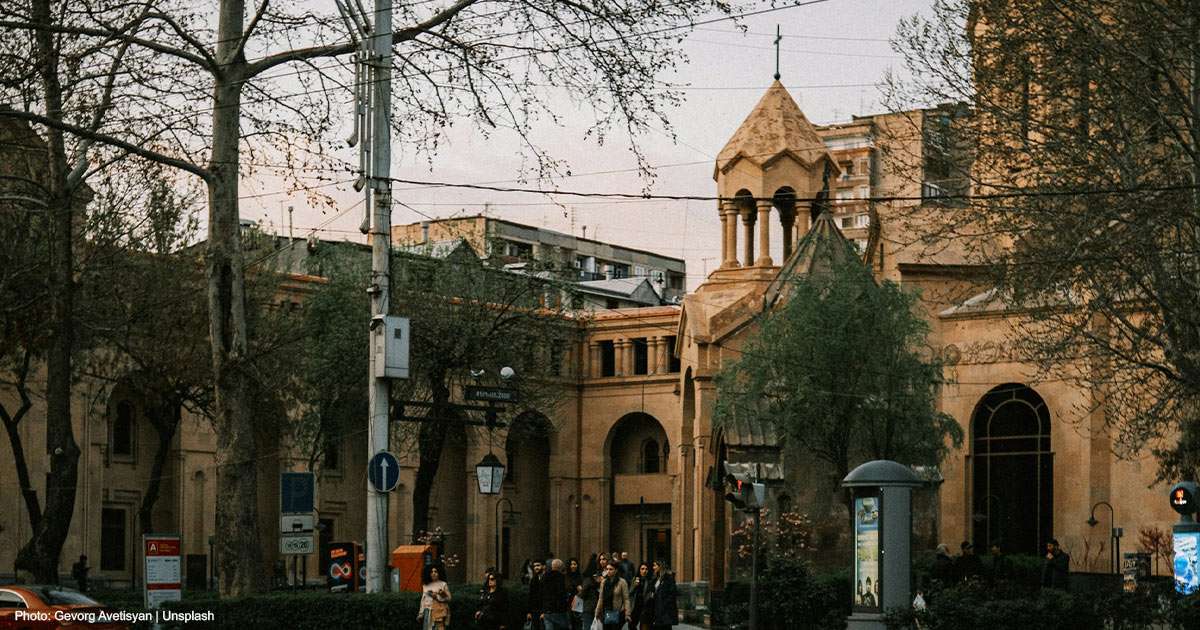
International researchers and cultural heritage organizations have documented the systematic destruction of Armenian churches, cemeteries, monuments, and khachkars (notably in Julfa), confirming large-scale erasure of Armenian heritage in Nakhichevan over recent decades.
At first glance, the proposal appears pragmatic. But for Armenia — and for Americans who believe U.S. foreign policy must be grounded in moral clarity — the issue at stake is not commerce. It is sovereignty, security, and the protection of a vulnerable Christian nation.
In regions shaped by conflict and coercion, infrastructure is never merely technical. Roads and railways can foster cooperation, but they can also become tools of pressure when they weaken a nation’s control over its borders and territory. That is why Armenian leaders have expressed concern over transit proposals described as “corridors,” particularly when such language suggests diminished sovereignty or external control.
Armenia has not opposed regional connectivity. It has repeatedly affirmed its willingness to participate in trade and transit initiatives — so long as it retains full authority over its borders, infrastructure, and laws. This position is firmly rooted in international law and the principle of sovereign equality. The Helsinki Final Act, supported by the United States, affirms the inviolability of borders and the sovereign equality of nations — principles that align with the moral conviction that no people should be coerced into surrendering control of their own land. Peace that requires one party to surrender control over its own territory is not peace at all.
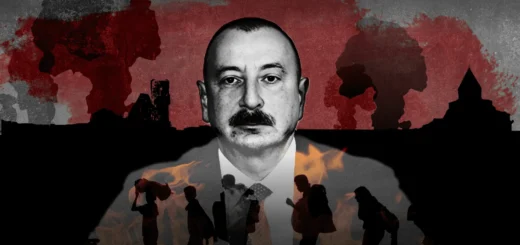
These concerns are informed by painful recent history. In 2023, Azerbaijan, with strong backing from Turkey, carried out a campaign that culminated in the forced displacement of the entire 120,000 Armenian Christian population of Artsakh (Nagorno-Karabakh). Churches were abandoned, sacred sites left unprotected, and an ancient Christian community effectively erased from its ancestral homeland. Even iconic monasteries such as Dadivank — a 9th-13th century Armenian monastery in Artsakh — have seen Armenian clergy pressured to leave, while Armenian inscriptions and religious identity face the risk of removal or reclassification under Azerbaijani control.
Armenia is the world’s first Christian nation, having adopted Christianity as a state religion in 301 A.D. in the early fourth century. Its people have endured repeated persecution, from the Armenian Genocide in 1915 to the ethnic cleansing of Artsakh in 2023. For American Christians, this is not a distant geopolitical dispute; it is a reminder that believers around the world continue to suffer for their faith.
Against this backdrop, proposals that weaken Armenia’s ability to secure its borders raise serious moral questions. Economic incentives cannot substitute for security, nor can they justify arrangements that expose civilians to renewed coercion. Infrastructure that undermines sovereignty risks becoming a mechanism of control rather than a pathway to peace. Jesus calls His followers to be peacemakers (Matthew 5:9), but peace rooted in justice and truth — not coercion — is the only peace that can endure.
The United States has an important role to play. Past U.S. approaches that emphasized strong borders, sovereign nations, and enforceable agreements offer a useful framework for evaluating current proposals. Peace through strength means ensuring that diplomatic efforts do not come at the expense of justice, security, or religious freedom.
American policymakers should be clear: the United States must not support any transit arrangement that weakens Armenian sovereignty or places Christian communities at risk. Regional connectivity should advance peace, not pressure. It must respect international law, preserve national control, and include meaningful protections for civilians and religious heritage.
This moment also calls for engagement beyond Washington. American Christians should speak out for Armenia, advocate for policies that defend religious freedom, and pray for those who have been displaced from their homes. Scripture calls believers to remember those who are persecuted as if suffering alongside them (Hebrews 13:3).
True peace cannot be built by sacrificing the vulnerable for the sake of expediency. Sovereignty, rule of law, and human dignity are not obstacles to stability — they are its foundation. The United States should make clear, through its diplomacy and support, that it will not endorse any transit arrangement that compromises Armenian sovereignty or endangers Christian communities.
As believers, we should also respond in prayer — asking God to protect the people of Armenia, to comfort those who have been displaced, and to grant wisdom to leaders entrusted with decisions that affect lives and nations. The Lord calls His people to “defend the weak and the fatherless; uphold the cause of the poor and the oppressed” (Psalm 82:3).
May our policies reflect not only strategic interests, but the justice and compassion that flow from the conviction that every people and every nation bears dignity before God.
Anna Grigoryan, M.A. Economics, is an Armenian American writer and policy advocate who has worked on human rights and support for vulnerable communities across the Caucasus and former Soviet Union. Now in Washington, D.C., she serves the faith-based Armenian Christian community, contributing both economic expertise and a faith-informed perspective on matters of sovereignty, security, and the preservation of Christian heritage.