Rethinking Israel-Armenia ties
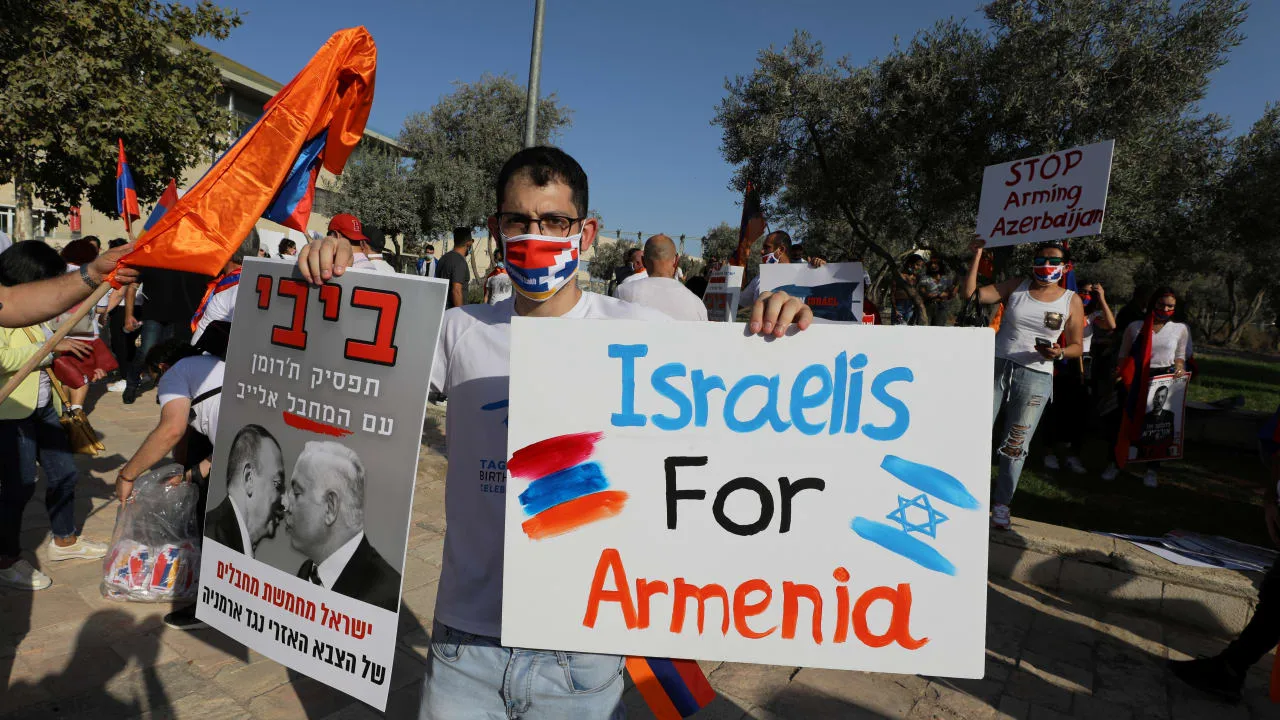
As the South Caucasus undergoes a profound transformation and the Middle East enters a new diplomatic era, Israel has a rare chance to convert dormant affinities into durable strategic capital.
For decades, Israel and Armenia have maintained a polite but cautious diplomatic distance: two small democracies separated by strategic calculations, competing regional alignments, and persistent diplomatic underinvestment. These were not natural barriers. They were artifacts of geopolitics that allowed mistrust to grow and genuine areas of convergence to remain unexplored.
Today, however, shifting regional realities offer an opening for a deeper, more meaningful relationship; one grounded not only in shared interests but in the profound historical and cultural ties that both nations have long overlooked.
The most visible source of tension has been military asymmetry. Israel’s long-standing defense partnership with Azerbaijan, including the supply of advanced weapons systems used in the Nagorno-Karabakh conflicts, left many in Yerevan feeling strategically outmatched and diplomatically sidelined.
Armenia’s subsequent 2024 recognition of the state of Palestine, framed domestically as a principled stance, was interpreted by many Israelis as a signal of political distance at a moment of heightened regional volatility. Each side saw the other through the lens of alignment rather than opportunity.
It is no coincidence that Prime Minister Benjamin Netanyahu’s 2025 recognition of the Armenian genocide carried enormous symbolic power. Despite political differences, Israelis and Armenians understand the language of memory, trauma, and survival. Their identities are shaped by parallel narratives of persecution, diaspora endurance, and cultural reconstruction against overwhelming odds.
Armenia is seeking new partners
A striking recent development underscores how fluid Armenia’s foreign policy is becoming and why Israel cannot let this moment slip.
On November 25, Armenian Deputy Foreign Minister Vahan Kostanyan visited Jerusalem for high-level consultations with Israeli officials signaling Yerevan’s interest in recalibrating ties beyond traditional alignments. The talks touched on opportunities in hi-tech, medicine, agriculture, and tourism as areas of mutual interest and formed part of the 12th round of political consultations between the two foreign ministries, reflecting a degree of diplomatic momentum not seen in years.
Interestingly, earlier this month, Prime Minister Nikol Pashinyan publicly stated that he hopes Turkey will “open its border with Armenia and establish diplomatic relations.” But given the long history of conflict with Ankara and its deep alliance with Azerbaijan, any such rapprochement will be cautious and calculated: not based on trust but national interest and strategic necessity.
This reality should signal to Jerusalem that Armenia is actively seeking new partners who can assure its security and sovereignty, presenting Israel with a compelling moment to reach out before these openings tilt toward other great-power influences.
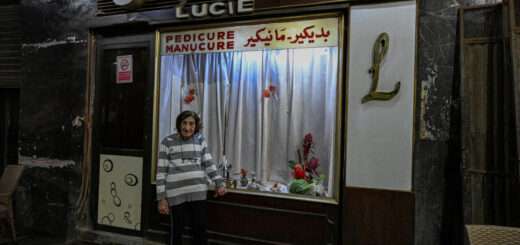
Armenia’s living heritage in Jerusalem
Jerusalem itself embodies this shared inheritance. The Armenian presence in the Old City dates back over 1,600 years, with the Armenian Patriarchate establishing its seat there in the 4th century CE. Today, approximately 2,000 Armenians live in the Armenian Quarter, maintaining churches, archives, monastic institutions, and cultural landmarks that have survived empires, wars, and geopolitical upheavals.What is less known but profoundly important is that Armenian pilgrimages remain a vibrant link between Yerevan and Jerusalem. According to community organizations, over 1,000 Armenians visit Jerusalem annually for religious festivals, heritage tours, and cultural programs, generating both economic and emotional sustenance for the local Armenian community. These pilgrimages are not passive tourism; they are acts of historical continuity that bind Armenian identity to Jerusalem’s sacred landscape.
Armenian artisans have also shaped Jerusalem’s material culture: its iconic blue-and-white ceramics, its tilework, and its artistic motifs, a legacy preserved today through the work of Armenian ceramic studios still active in the city.
This living and breathing Armenian heritage is one of Israel’s most under-leveraged diplomatic assets. It offers a natural platform for cultural diplomacy, archival cooperation, educational exchanges, and museum partnerships. In an era when soft power matters more than ever, these connections can humanize bilateral relations and build constituencies for collaboration.
Toward a strategic reset
Rebuilding ties does not begin with grand gestures. It begins with steady, practical engagement: expanding cooperation in water technology, agriculture, medical innovation, and civilian cyber capacity: areas free of geopolitical friction. But technical cooperation alone is insufficient.Israel should also invest in heritage diplomacy, which includes supporting restoration initiatives in the Armenian Quarter, facilitating research exchanges, and strengthening the relationship with the Armenian Patriarchate. These initiatives cost little yet build symbolic capital that transcends transactional politics.
Importantly, none of this requires Israel to dilute its partnership with Azerbaijan. Strategic diversification is not strategic betrayal. A confident regional actor must be capable of balancing multiple relationships without becoming hostage to zero-sum assumptions.
In parallel, an Israel-Armenia Strategic Dialogue should be institutionalized to quietly address sensitive issues, including defense exports, regional signaling, and crisis communication. Friendly countries like India, Greece, Cyprus, along with the US, could also be included in multilateral forums or talks, as observers or partners.
Israel and Armenia are bound by more than geopolitical convenience. They are nations whose identities are anchored in memory, whose diasporas influence global conversations, and whose cultural footprints stretch across millennia. As the South Caucasus undergoes a profound transformation and the Middle East enters a new diplomatic era, Israel has a rare chance to convert dormant affinities into durable strategic capital.
The writer holds a PhD in Middle East affairs from Jawaharlal Nehru University, New Delhi, and is a researcher with Centre for National Security Studies, Bangalore.