|
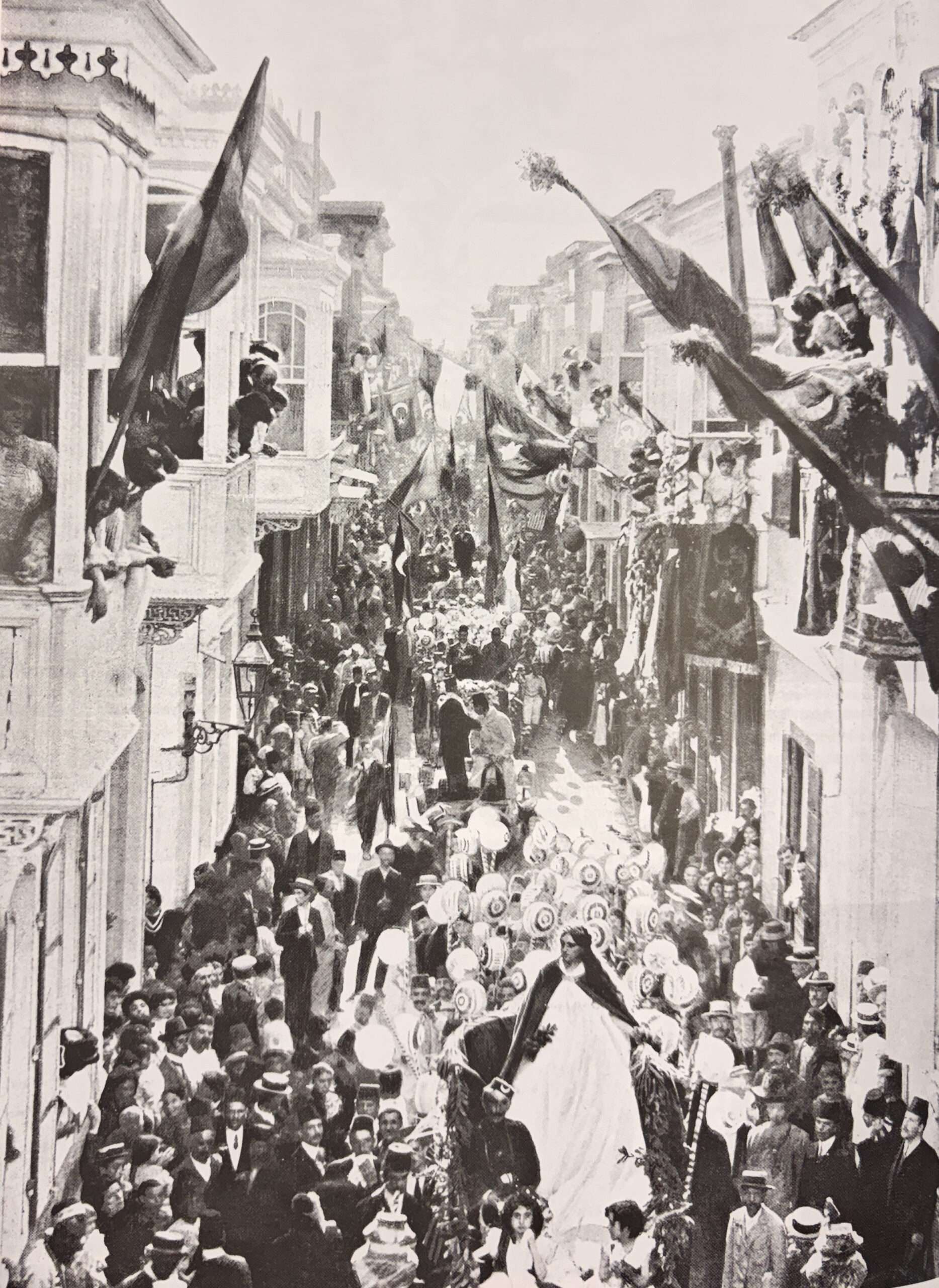
The imbalance of equality is key to understanding a much larger historical transformation. From the late Ottoman period into the modern Turkish Republic, the share of non-Muslims in Anatolia fell dramatically—from roughly 20–25% of the population around 1914 (about 3–4 million people out of 17-18 million) to well under 1% today. This profound demographic shift did not occur suddenly or for a single reason. Rather, it unfolded over decades through a combination of structural inequality, war, deportations, state policy, genocidal acts against Armenian, Assyrian, and Pontic Greek communities, and population exchange between Turkey and Greece.
A Diverse Society Under Strain
On the eve of the First World War, Anatolia remained a mosaic of peoples. Armenians, Greeks, Assyrians, Jews, and Muslims lived side by side, with non-Muslims comprising roughly a quarter of the population. Yet beneath this diversity lay deep inequalities and abuses against non-Muslim communities, embedded in everyday life. Non-Muslims paid additional taxes, faced legal disadvantages, and were subject to social restrictions that reinforced their lower status. For example, “If a Christian on horseback encountered a Muslim on horseback, the Christian must dismount until the Muslim passed by. Greeks, Armenians and Jews were distinguished respectively by sky blue, dark red (later red) and yellow hats, and by black, violet, and blue slippers. Violators of the clothing laws could be executed.” These practices helped preserve order, but they also entrenched resentment and division over time. Despite these tensions, the empire had maintained a relative balance for centuries. However, by the 19th century, that balance and stability began to erode under internal and external political, economic, and social pressures.
|