UCLA commemorates Armenian Genocide with a candlelight vigil and ongoing programming
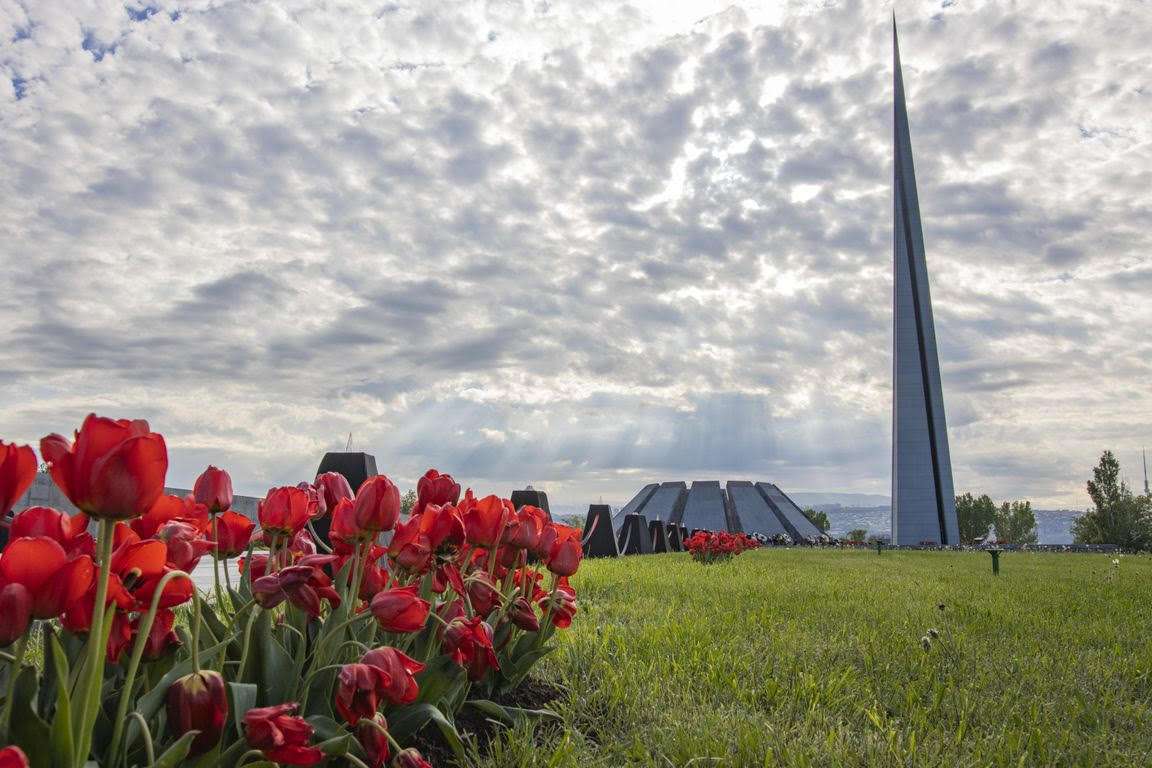
Friday, April 24, marks the annual commemoration of the Armenian Genocide, the systematic murder of 1.5 million Armenians by the forces of the Ottoman Empire between 1915 and 1923. In tribute, UCLA’s Armenian Student Association is partnering with its University of Southern California branch to host a remembrance program and vigil at the Fowler Museum at UCLA Courtyard to mark the 111th anniversary of the killings.
In addition, the Promise Armenian Institute at UCLA and its partners are sponsoring a series of virtual and in-person discussions and performances over the coming days to recognize and explore that historical tragedy and to celebrate Armenian heritage.
Established in 2019, the Promise Armenian Institute serves as a focal point for advanced scholarship on Armenian society, culture and history — including the genocide, particularly through its Armenian Genocide Research Program — and for public programs and outreach aimed at strengthening Armenian communities in Los Angeles, the worldwide diaspora and Armenia itself. As part of these efforts, the institute supports a variety of ongoing projects in the social sciences, arts, health care, genetics and engineering.
All commemorative events are free and open to the public:
Tuesday, April 21, 7 p.m. | Bruin Plaza stage
Join UCLA’s Armenian Student Association for a folk-dance workshop taught by Lernazang, a Western Armenian dance and cultural preservation organization. Founded in 2017, Lernazang provides weekly community dance classes to youth and adults, offers dance and music workshops, and performs throughout Los Angeles in the traditional Armenian azgagrakan style.
RSVP is requested.
Thursday, April 23, 7 p.m. | Schoenberg Hall
Concert: Celebrating 100 years of Khachatur Avetisyan
Join the UCLA Armenian Music Program for an evening of special guest musicians from Armenia and the Los Angeles Armenian community in commemoration of the 100th anniversary of the birth of renowned composer Khachatur Avetisyan. The LA-based Haikian Chamber Choir, accompanied by a folk-instrument orchestra and other guest solo artists, will perform Avetisyan’s concertos for folk instruments and works dedicated to the memory of the Armenian Genocide. This event is co-sponsored by the UCLA Promise Armenian Institute.
Friday, April 24, 6 p.m. | The Elizabeth and W. Thomas Davis Courtyard at the Fowler Museum at UCLA
Armenian Genocide Remembrance Program and Vigil
The Armenian Student Associations at UCLA and the University of Southern California are hosting an evening of diverse programming to observe the 111th anniversary of the Armenian Genocide. All are welcome to attend a reception, followed by a speaking program and a candlelight vigil. Speakers include representatives from the UCLA Undergraduate Student Association Council, the Promise Armenian Institute at UCLA, the Armenian Students Association Board and several Armenian Genocide historians.
Saturday, April 25, 11 a.m. | Online
Lecture: A Biographical Approach to Genocidal Ruination
Scholar Nazan Maksudyan (Centre Marc Bloch Berlin) will deliver the fifth Raymond H. Kévorkian Armenian Genocide Remembrance Lecture, examining the Armenian genocide through the life of educator, naturalist and scientist Johannes Jakob Manissadjian and exploring how genocide imperiled lives, communities and knowledge. Commentary will be provided by Melissa Bilal, holder of The Promise Chair in Armenian Music, Arts, and Culture at UCLA. This event is co-sponsored by the Promise Armenian Institute at UCLA.
Register here for Zoom link.
Thursday, April 30, 6 p.m. | Glendale Central Library
Author talk with Peter Balakian
Pulitzer Prize-winning poet Peter Balakian will be reading excerpts from his latest book, “New York Trilogy,” which follows one man’s journey as he moves through a series of experiences centered in New York City and the surrounding New Jersey Palisades. The protagonist’s life is impacted by historical events, including the Armenian Genocide, the bombing of Hiroshima, the Vietnam War, the AIDS epidemic, the attacks of Sept. 11th, the U.S. war in Iraq and the climate crisis.