Metsamor Nuclear Power Plant: A Regional Safety Concern For Armenia And Its Neighbors
Key Takeaways:
- Armenia’s Metsamor plant runs a 1970s VVER-440 reactor (Unit 2, ~416 MW) and is extending its life to 2036 despite seismic risks and the retirement of Unit 1 after the 1988 earthquake.
- A major accident could affect Türkiye, Azerbaijan and Georgia; ultimate safety responsibility rests with Armenia, though neighbors are urged to keep independent monitoring and emergency plans.
- Armenia is weighing replacement options, including small modular reactors from several countries, with a technology choice expected by the end of 2027.
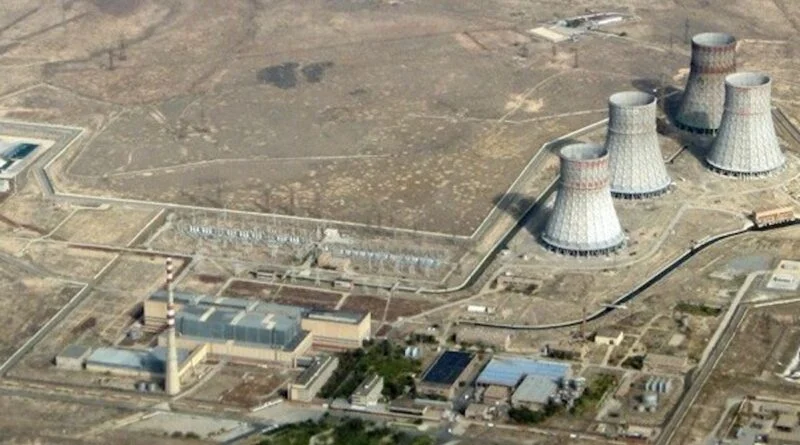
Armenia’s Metsamor Nuclear Power Plant remains an important source of electricity for the country, but its ageing equipment, seismic location and long-term operating plans continue to raise questions about nuclear safety across the region.
Located about 30 kilometres west of Yerevan and relatively close to the Turkish border, Metsamor is one of the few nuclear power plants in the world still operating with Soviet-designed VVER-440 reactors from the 1970s.
The plant originally had two reactor units. Unit 1 began operating in 1976 and Unit 2 in 1980. Both were shut down following the devastating 1988 Armenian earthquake. Unit 2 returned to service in 1995, while Unit 1 was permanently retired and is being decommissioned.
Today, Unit 2 is the country’s only operating nuclear reactor, with an electrical capacity of approximately 416 MW. Nuclear energy supplies a significant share of Armenia’s electricity.
Lifetime Extension Until 2036
The Armenian government is investing in a second lifetime-extension programme for Unit 2, with the objective of keeping it operational until 2036.
The programme involves modernising equipment, improving safety systems and managing the ageing of critical components. Such extensions are not unusual in the nuclear industry, but they require regular technical inspections and independent regulatory approval.
Armenia’s location in a seismically active region makes earthquake preparedness particularly important. The 1988 earthquake highlighted the need for strong structural protection, reliable emergency cooling systems and effective accident-management procedures.
Metsamor uses pressurised water reactor technology. It is technically different from the RBMK reactors used at Chernobyl. Nevertheless, the age of the facility and its seismic environment require continuous safety assessment.
A Regional Issue, Not Just an Armenian Issue
A serious nuclear accident could have consequences extending beyond Armenia’s national borders. Türkiye, Azerbaijan and Georgia could potentially be affected, depending on the scale of an accident and prevailing weather conditions.
Possible consequences include radioactive contamination, agricultural losses, environmental damage and public health concerns.
The International Atomic Energy Agency (IAEA) provides international safety standards, technical reviews and expert assessments. However, responsibility for the safe operation of Metsamor ultimately rests with the Armenian government, plant operator and national nuclear regulator.
Neighbouring countries should also maintain independent radiation monitoring networks, emergency response plans and effective communication channels.
Armenia Looks for a Replacement
Armenia is examining options for replacing Metsamor with a modern nuclear power facility. The government has been considering proposals involving Russia, the United States, China, France and South Korea.
Small modular reactors (SMRs) have become an important part of the discussion. Armenia is expected to select a preferred technology by the end of 2027.
The decision will involve more than reactor design. Financing, construction schedules, fuel supply, waste management, operating costs and long-term technical support will all be important considerations.
An Engineer’s Perspective
I visited Metsamor in 1976 during a three-month UNIDO technical training programme in Moscow. Our Russian hosts organised a visit to the newly built nuclear facility in Armenia.
As a young mechanical engineer, I was impressed by its control room, instrumentation and operating systems. Nuclear power represented an exciting technological future.
Nearly fifty years later, the engineering challenge is different. The priority is now to maintain safety during the remaining operating years and prepare a reliable replacement.
Türkiye should closely follow developments at Metsamor. Its experience is also relevant to Türkiye’s own nuclear energy programme, including the Akkuyu Nuclear Power Plant.
Nuclear energy can contribute to electricity security and lower carbon emissions. However, its benefits must be considered alongside construction costs, operational safety, radioactive waste management and eventual decommissioning.