
The Camo Grind Culture: Why Fans Look for Specific Call of Duty Account Stats
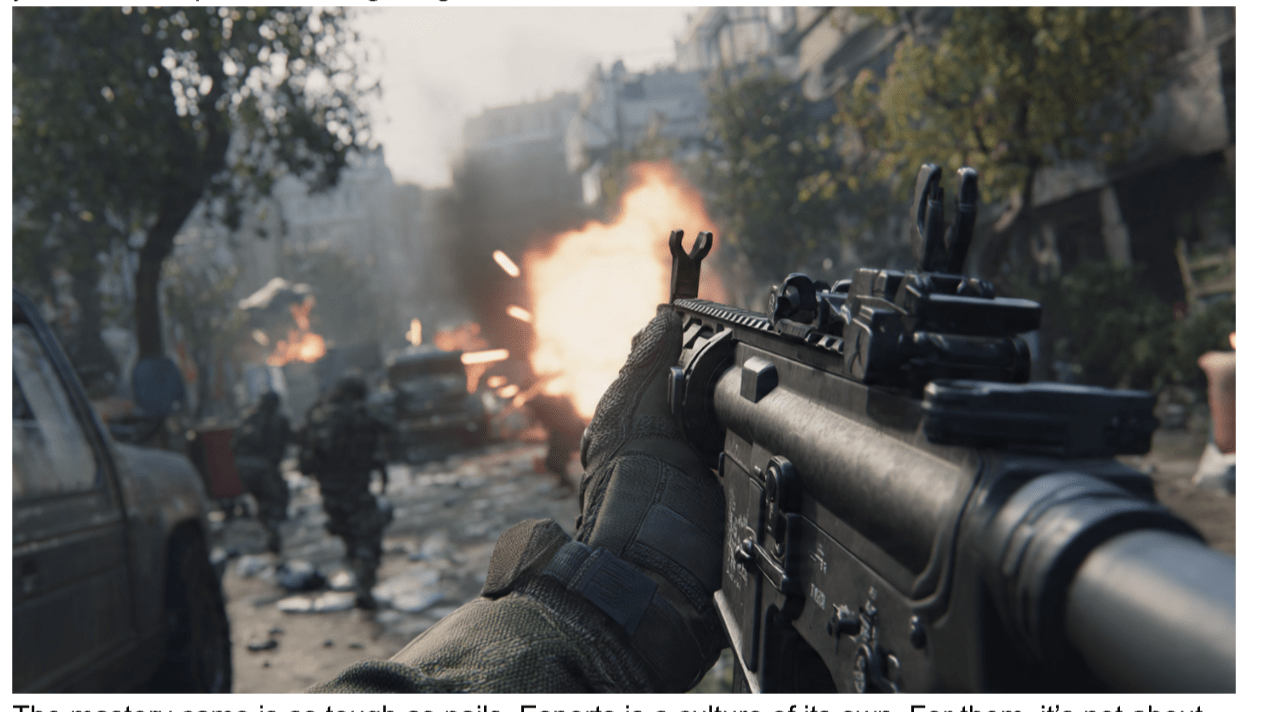
When you join a multiplayer lobby and see a teammate’s weapon with a shiny and wild animated mastery camo, do you get speechless? I certainly do. The animated camos are a form of flex. It communicates to the rest of the lobby the sheer number of hours spent grinding and the frustration endured for the reward. It is a badge of honor and triggers your desire to sink your time and patience into getting the same camo.
The mastery camo is as tough as nails. Esports is a culture of its own. For them, it’s not about the victor; it’s all about the rewards. The first time I really tried for Damascus camo was in the newest Modern Warfare in 2019, and I can still remember the sleepless weekends. I almost uninstalled the game for the riot shield kills. Playing Shipment and camping is deterministic torture.
The passion offers the evils of the camo grind. The entire player base just wants to flex without the time spent grinding. This is the main reason people look for Call of Duty accounts for sale, so people can slide right into Warzone or ranked as a vet, bypassing the 3 weeks of grind to unlock the support kills to make the attachment for the scope the most level 1 whatever of an attachment. Now, let’s talk about the reasons for the status of the players and the reasons for the value from the grind.
Why We Put Ourselves Through It
What brings people to the most hardcore levels of the game in the first place? Players’ self-achievements, gamer recognition, and community recognition. The community standing out system makes use of the human desire for uniqueness.
When players unlock the last tier, the brain does backflips of joy and dopamine. Other players celebrate the gamer’s achievement. A player with a default M4 is plain. A player with a cool Interstellar camo is unique and maybe even a target.
The following are the reasons players are addicted to the grind:
- The Checkbox Effect. Players get easily accomplished by quotes, setting smaller goals like “Get 50 hip-fire kills.”
- Sunk Cost Fallacy. After putting in twenty hours of grinding to unlock golden skins for the assault rifles, not finishing the grind seems pointless. You lose yourself to the grind.
- Lobby Status. Having a cool gun skin or a special player title to show off is a societal status indicator for players.
- Completionist Habits. Failure is not an option for gamers. Seeing a progress bar that is close to 100% but not there means they will keep grinding to finish the progress bar.
When You Have More Money Than Time
Not having time available to complete a grind is a pretty common reality in the player base. Players include college kids relaxing for the summer to parents with full-time jobs, houses, and families to take care of.
- For an adult, it is almost impossible to find the 150 hours necessary to complete a camo grind. They will be lucky if they get to play 3 hours a week. By the time they’ve finished their challenges, the new Call of Duty is about to be released. Dedicated Call of Duty franchise fans frequenting search online to find Call of Duty accounts to purchase have been motivated by this very time gap.
- For the busy gamer, it is simply a transactional exchange of time to purchase convenience. With less time to spare, but having money to utilize, which allows them to skip time-consuming activities for fun activities, is how they justify the expense. Purchases not only allow them to unlock the cool stuff, but enhanced the enjoyment of gaming together with friends.
Some would say, rightly so, that some weapon challenges can be a bit frustrating. An emotionally taxing grind is having to go for point-blank sniper kills while the opposing players go meta with the other classes.
What Do Buyers Actually Want?
No sensible gamer would purchase accounts that are not high-level. Buyers’ accounts, which are considered high value, are accounts that are not easily attainable, that is to say, have features that are recent, relevant, and notable.
A few examples of gamer fans’ stats are as follows:
- Ultimate Mastery Camos: Dark Matter, Orion, and Interstellar are all examples of master fully unlocked camos on each gun that are considered to be top tier.
- Ranked Badges: Top 250 or Iridescent calling cards if you really want to show off.
- Nuke Rewards: Exclusive operator skins that you get for completing ridiculously tough tactical nuke contracts in Warzone.
- Scary KD Ratios: Having unique stats to make people fearful of you in the lobby.
Comparing the True Cost
Let’s put the journey into perspective and look at a simple comparison chart of the two options:
Aspect | Doing the Grind | Buying an Account |
Time Needed | Takes 100+ hours of gameplay | Takes about 10 minutes of browsing |
Money Cost | Free (aside from the base game) | Can be expensive depending on rarity and demand |
Stress Level | Often slow, repetitive, and sometimes frustrating | Low stress due to instant access |
Safety | Fully safe (progress is legitimately yours) | Risky due to scams, account recovery issues, and potential bans depending on game rules |
The Risks You Take
Skipping to the end of the line communicates value, but there are several risks. The account swapping game has no rules. For an honest account sale, a scam is lurking. This is the main reason why you should be extra careful if you want to buy a Call of Duty account. I have a friend who bought an account from a random user on a forum instead of a verified site.
He gave them cash, played for a week, and then found himself locked out. The account was reclaimed by the original owner through official support. My friend lost his money and the account. If you take this route, you need to use reliable marketplaces that provide genuine buyer protection.
Why Some Players Enjoy the Struggle
Among the crowd, there exists a mystery, a bizarre enchantment, and a gripping journey, which soaks up time and effort.
However, a loaded account does not grant you memories. It is not the account where you have the newly released cross-map throwing knife for gold. It is not the troll account of bad weapons. It is not the tedious account of shooting to improve your core to push your movement and map awareness.
Lastly, long-term goals help orientation. Being forced to push the camo makes you motivate yourself to improve your game to remain engaged. It is much faster to become bored with a game like Call of Duty when there is so little to work towards, and things are just given.
The Wrap Up
Just playing Call of Duty is just to have fun, and with camo, we can do just that. We get the pleasure of entertaining ourselves without much effort, doing the grind.
Some players enjoy the thrill of spending countless hours early morning just to play the game and unlock every camo, and others dislike wasting time to unlock camos and would prefer a good game. Both are reasonable. As long as everyone in the community respects having these custom and preferred game loadouts, these stats and flashy promise of mastery camos will remain.
Frequently Asked Questions
Is buying an account a quick way to get banned?
Accounts will remain safe as long as they are bought from safe places. Make sure to buy from a reliable account and game loadout losing company.
Just how long does a mastery camo take to unlock?
Time to unlock mastery camo depends on the game, and mostly, it takes a good and fast player 100 – 150 hours.
3. Do pro players have mastery camos?
Not exactly. Mastery camos are more of a testament to your level of patience. That being said, having to use certain loadouts won’t help your situational awareness.
4. Why do designers create annoying tasks?
Challenging tasks help players develop new skills. It’s also a good tactic to keep players engaged, as these challenges require a significant investment of time to complete.
5. Is buying accounts a hardware ban offense?
This is more common with blatant cheating, like using aimbots and wallhacks. It is very unlikely that just playing on a new, purchased account would result in a hardware ban, though the account could get banned if it were unfairly leveled.
When you join a multiplayer lobby and see a teammate’s weapon with a shiny and wild animated mastery camo, do you get speechless? I certainly do. The animated camos are a form of flex. It communicates to the rest of the lobby the sheer number of hours spent grinding and the frustration endured for the reward. It is a badge of honor and triggers your desire to sink your time and patience into getting the same camo.
The mastery camo is as tough as nails. Esports is a culture of its own. For them, it’s not about the victor; it’s all about the rewards. The first time I really tried for Damascus camo was in the newest Modern Warfare in 2019, and I can still remember the sleepless weekends. I almost uninstalled the game for the riot shield kills. Playing Shipment and camping is deterministic torture.
The passion offers the evils of the camo grind. The entire player base just wants to flex without the time spent grinding. This is the main reason people look for Call of Duty accounts for sale, so people can slide right into Warzone or ranked as a vet, bypassing the 3 weeks of grind to unlock the support kills to make the attachment for the scope the most level 1 whatever of an attachment. Now, let’s talk about the reasons for the status of the players and the reasons for the value from the grind.
Why We Put Ourselves Through It
What brings people to the most hardcore levels of the game in the first place? Players’ self-achievements, gamer recognition, and community recognition. The community standing out system makes use of the human desire for uniqueness.
When players unlock the last tier, the brain does backflips of joy and dopamine. Other players celebrate the gamer’s achievement. A player with a default M4 is plain. A player with a cool Interstellar camo is unique and maybe even a target.
The following are the reasons players are addicted to the grind:
- The Checkbox Effect. Players get easily accomplished by quotes, setting smaller goals like “Get 50 hip-fire kills.”
- Sunk Cost Fallacy. After putting in twenty hours of grinding to unlock golden skins for the assault rifles, not finishing the grind seems pointless. You lose yourself to the grind.
- Lobby Status. Having a cool gun skin or a special player title to show off is a societal status indicator for players.
- Completionist Habits. Failure is not an option for gamers. Seeing a progress bar that is close to 100% but not there means they will keep grinding to finish the progress bar.
When You Have More Money Than Time
Not having time available to complete a grind is a pretty common reality in the player base. Players include college kids relaxing for the summer to parents with full-time jobs, houses, and families to take care of.
- For an adult, it is almost impossible to find the 150 hours necessary to complete a camo grind. They will be lucky if they get to play 3 hours a week. By the time they’ve finished their challenges, the new Call of Duty is about to be released. Dedicated Call of Duty franchise fans frequenting search online to find Call of Duty accounts to purchase have been motivated by this very time gap.
- For the busy gamer, it is simply a transactional exchange of time to purchase convenience. With less time to spare, but having money to utilize, which allows them to skip time-consuming activities for fun activities, is how they justify the expense. Purchases not only allow them to unlock the cool stuff, but enhanced the enjoyment of gaming together with friends.
Some would say, rightly so, that some weapon challenges can be a bit frustrating. An emotionally taxing grind is having to go for point-blank sniper kills while the opposing players go meta with the other classes.
What Do Buyers Actually Want?
No sensible gamer would purchase accounts that are not high-level. Buyers’ accounts, which are considered high value, are accounts that are not easily attainable, that is to say, have features that are recent, relevant, and notable.
A few examples of gamer fans’ stats are as follows:
- Ultimate Mastery Camos: Dark Matter, Orion, and Interstellar are all examples of master fully unlocked camos on each gun that are considered to be top tier.
- Ranked Badges: Top 250 or Iridescent calling cards if you really want to show off.
- Nuke Rewards: Exclusive operator skins that you get for completing ridiculously tough tactical nuke contracts in Warzone.
- Scary KD Ratios: Having unique stats to make people fearful of you in the lobby.
Comparing the True Cost
Let’s put the journey into perspective and look at a simple comparison chart of the two options:
Aspect | Doing the Grind | Buying an Account |
Time Needed | Takes 100+ hours of gameplay | Takes about 10 minutes of browsing |
Money Cost | Free (aside from the base game) | Can be expensive depending on rarity and demand |
Stress Level | Often slow, repetitive, and sometimes frustrating | Low stress due to instant access |
Safety | Fully safe (progress is legitimately yours) | Risky due to scams, account recovery issues, and potential bans depending on game rules |
The Risks You Take
Skipping to the end of the line communicates value, but there are several risks. The account swapping game has no rules. For an honest account sale, a scam is lurking. This is the main reason why you should be extra careful if you want to buy a Call of Duty account. I have a friend who bought an account from a random user on a forum instead of a verified site.
He gave them cash, played for a week, and then found himself locked out. The account was reclaimed by the original owner through official support. My friend lost his money and the account. If you take this route, you need to use reliable marketplaces that provide genuine buyer protection.
Why Some Players Enjoy the Struggle
Among the crowd, there exists a mystery, a bizarre enchantment, and a gripping journey, which soaks up time and effort.
However, a loaded account does not grant you memories. It is not the account where you have the newly released cross-map throwing knife for gold. It is not the troll account of bad weapons. It is not the tedious account of shooting to improve your core to push your movement and map awareness.
Lastly, long-term goals help orientation. Being forced to push the camo makes you motivate yourself to improve your game to remain engaged. It is much faster to become bored with a game like Call of Duty when there is so little to work towards, and things are just given.
The Wrap Up
Just playing Call of Duty is just to have fun, and with camo, we can do just that. We get the pleasure of entertaining ourselves without much effort, doing the grind.
Some players enjoy the thrill of spending countless hours early morning just to play the game and unlock every camo, and others dislike wasting time to unlock camos and would prefer a good game. Both are reasonable. As long as everyone in the community respects having these custom and preferred game loadouts, these stats and flashy promise of mastery camos will remain.
Frequently Asked Questions
Is buying an account a quick way to get banned?
Accounts will remain safe as long as they are bought from safe places. Make sure to buy from a reliable account and game loadout losing company.
Just how long does a mastery camo take to unlock?
Time to unlock mastery camo depends on the game, and mostly, it takes a good and fast player 100 – 150 hours.
3. Do pro players have mastery camos?
Not exactly. Mastery camos are more of a testament to your level of patience. That being said, having to use certain loadouts won’t help your situational awareness.
4. Why do designers create annoying tasks?
Challenging tasks help players develop new skills. It’s also a good tactic to keep players engaged, as these challenges require a significant investment of time to complete.
5. Is buying accounts a hardware ban offense?
This is more common with blatant cheating, like using aimbots and wallhacks. It is very unlikely that just playing on a new, purchased account would result in a hardware ban, though the account could get banned if it were unfairly leveled.