
One Armenian soldier killed, several injured after getting hit by truck
OC Media
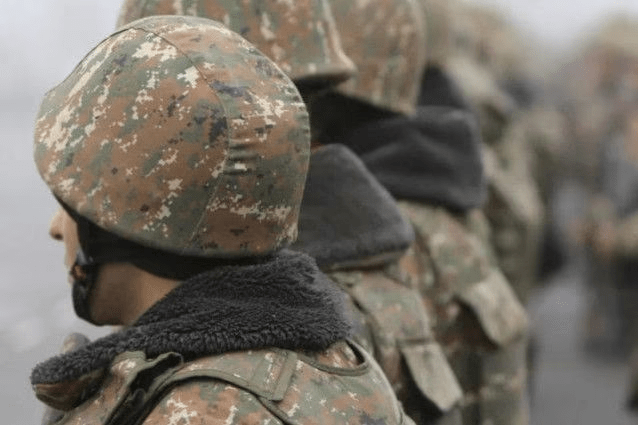
Armenia’s Defence Ministry reported that a soldier was killed and several others were injured after a truck hit them on the road in Armenia’s Gegharkunik province. The incident comes after major reshuffles in the army following a rise in non-combat deaths.
The accident that killed Armenian soldier Suren Vardanyan happened near Vahan village on Wednesday. Vahan’s local head, Arshak Mkrtchyan, told RFE/RL that he arrived at the scene 10 minutes later.
Mkrtchyan said that the driver was not drunk and remained at the scene, calling an ambulance. The truck hit the soldiers around 21:00, adding that the soldiers had been ‘running somewhere’ at the time.
The injured soldiers, whose number is not specified in the Defence Ministry’s statement, were transferred to a nearby hospital. A criminal case has been opened, and the driver has been arrested.
The accident took place amidst growing scrutiny over non-combat deaths in the Armenian army.
Less than a week before the accident, Pashinyan had ordered two personnel adjustments in the army after a person was arrested for allegedly inciting a soldier to take his own life.
Earlier in August, he also established an interagency working group to develop systemic solutions to suicides and ‘non-statutory relations’ in the army. This working group has three months to develop and submit proposals to curb such deaths in the army.
Meanwhile, the official figures and methodology for calculating army deaths differ between the ministry and local watchdogs.
Defence Ministry spokesperson Aram Torosyan said that statistics often show a single total number without distinguishing deaths linked to military service from those that are not. Torosyan told the state-run media outlet Armenpress that of 11 deaths recorded as of 14 August in 2026, only two were connected to service-related circumstances.
The Helsinki Citizens’ Assembly — Vanadzor, however, urged the Defence Ministry to drop the practice of categorising deaths as either ‘service-related’ or ‘non-service-related’, instead arguing that every soldier’s death should be treated as a loss for the armed forces and assessed in terms of the state’s obligation to protect human rights, regardless of whether it occurred on duty.